Disclosure: This article is for general educational purposes and is not medical or dental advice. Some links are affiliate links, meaning we may earn a small commission at no extra cost to you if you choose to make a purchase. We only point readers toward things we genuinely believe can help.
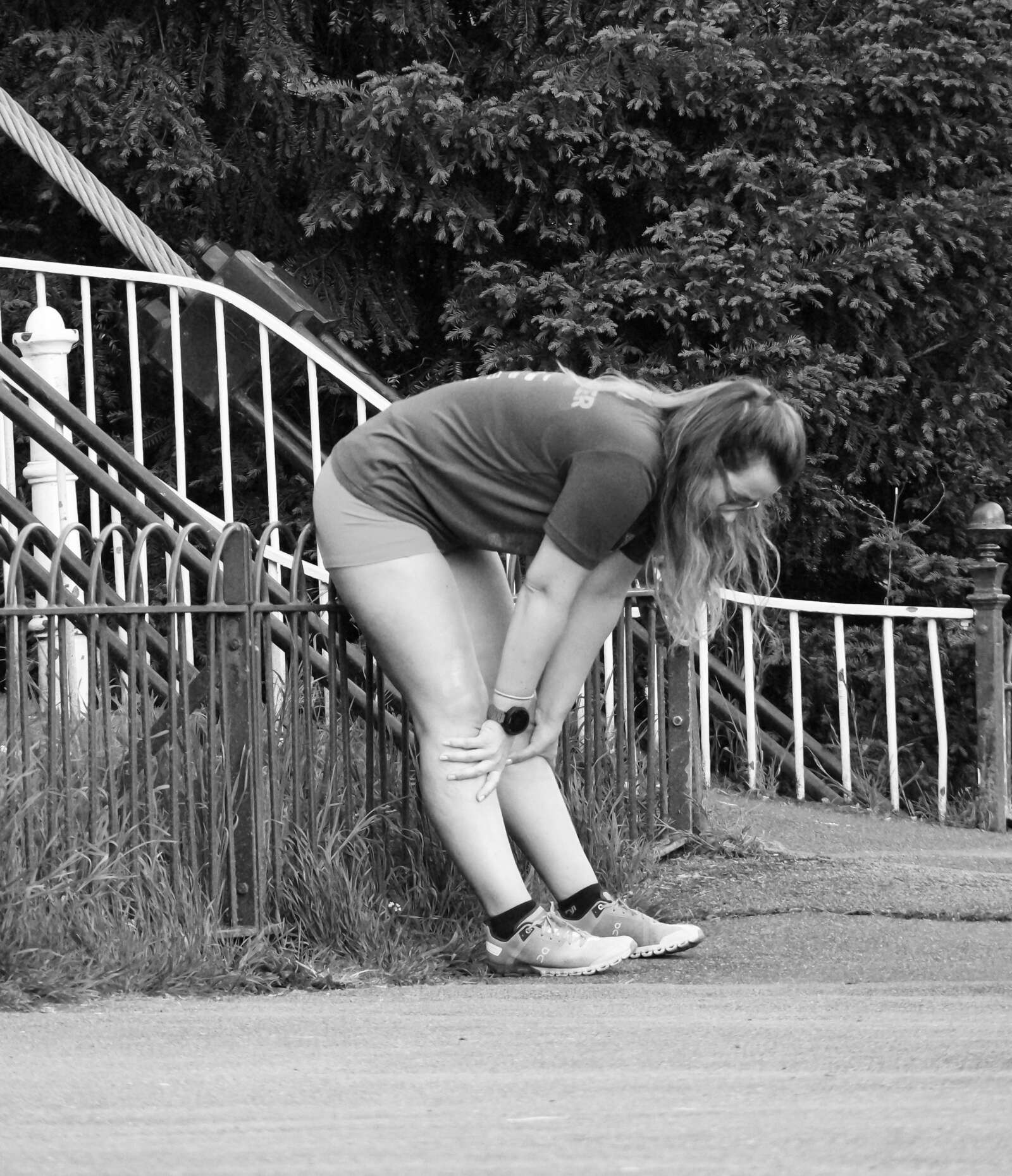
Bad breath after working out is common, and it is rarely about your fitness. Exercise dries your mouth, slows your saliva and, depending on what you drink and eat around training, hands odor-causing bacteria an easy window. Here is why it happens and the simple plan that keeps your breath fresh from warm-up to cool-down.
You finish the last set. You feel amazing.
Then your trainer leans in to fix your form, or a friend stops to chat by the water fountain, and you suddenly notice it. Your mouth feels like cotton and your breath is not what it was an hour ago.
It feels unfair. You are doing the healthy thing. You eat well, you train hard, you drink your protein. So why does your breath seem to get worse the fitter you get?
The answer is not that exercise is bad for you. It is that exercise changes your mouth for a while, and the bacteria behind bad breath are very good at taking advantage.
Bad breath after working out: what is actually happening
Most bad breath is made by bacteria on the back of the tongue, between the teeth and along the gumline. When they break down food, dead cells and proteins, they release volatile sulfur compounds, the same family of gases behind rotten eggs.
Saliva is what normally keeps them in check. It rinses the mouth, carries oxygen, neutralizes acid and washes bacteria away before they build up. When saliva is flowing, those bacteria have a hard time getting comfortable.
Exercise interrupts that system. A study of triathletes published in the Scandinavian Journal of Medicine and Science in Sports found that saliva flow dropped during a hard running test, and athletes who trained more hours a week tended to have more cavities (Frese et al.). Less saliva means less natural rinsing, and that is when the smell builds.
6 reasons your breath smells worse after exercise
Most people have two or three of these going on at once. That is why drinking a little more water helps a bit, but never quite fixes it.
1. You breathe through your mouth
Once you push past an easy pace, most people switch to mouth breathing. Air rushing over your tongue and gums dries them out fast, the same thing that happens with mouth breathing at night. A dry tongue is exactly where odor bacteria thrive.
2. Your saliva slows down while you train
During intense effort your body shifts into fight-or-flight mode, and saliva flow drops. It usually recovers afterwards, but if you train often, your mouth spends a lot of time in that dry state each week.
3. You lose fluid through sweat
Sweat pulls water from your body, and saliva is mostly water. If you start a workout already a little dehydrated, or train in heat, your mouth runs dry sooner and stays dry longer.
4. Sports drinks, gels and bars
A University College London survey of 352 elite athletes found that 87% used sports drinks, 70% used energy gels and 59% used energy bars, and about half had untreated tooth decay even though 94% brushed twice a day (Dentistry.co.uk). Frequent sugar and acid feed the wrong bacteria.
5. A high-protein diet
Bacteria that make bad breath love protein. Researchers at Texas A&M’s Baylor College of Dentistry have explained that when there is more protein than your body uses, mouth bacteria break the leftovers down into smelly sulfur compounds. More shakes and more chicken can mean more fuel for them.
6. Fasted training and low-carb eating
Training on an empty stomach or cutting carbs hard can push your body to burn fat for fuel, which produces ketones you breathe out. If your breath smells fruity or like nail polish remover, read our guide to keto breath and fasting breath.
See What Changes the Bacteria Behind Gym Breath →
Why does my breath smell after running?
If you are asking why does my breath smell after running in particular, running stacks several of these causes together. A long run means 30, 60 or 90 minutes of steady mouth breathing, often outdoors in dry or cold air that strips moisture even faster.
Many runners also take gels or sports drinks mid-run and then do not drink plain water afterwards. That leaves a sugary, acidic film sitting on the teeth while saliva is still low.
The result is a dry, sticky mouth and a stale smell by the time you get home. It is not a sign you are unhealthy. It is a sign your mouth needs a little help to recover.
Can protein shakes cause bad breath?
Can protein shakes cause bad breath? They can contribute, for three reasons. First, the extra protein gives mouth bacteria more raw material for sulfur compounds. Second, milky shakes can leave a film on the tongue, which is already the number one source of mouth odor, as we explain in why is my tongue white.
Third, the shaker bottle itself. Protein residue left in a warm gym bag turns sour quickly, and every sip pulls some of it back into your mouth.
You do not need to give up your shake. Rinse your mouth with water after drinking it, wash the bottle with hot soapy water after every use and let it dry fully with the lid off.
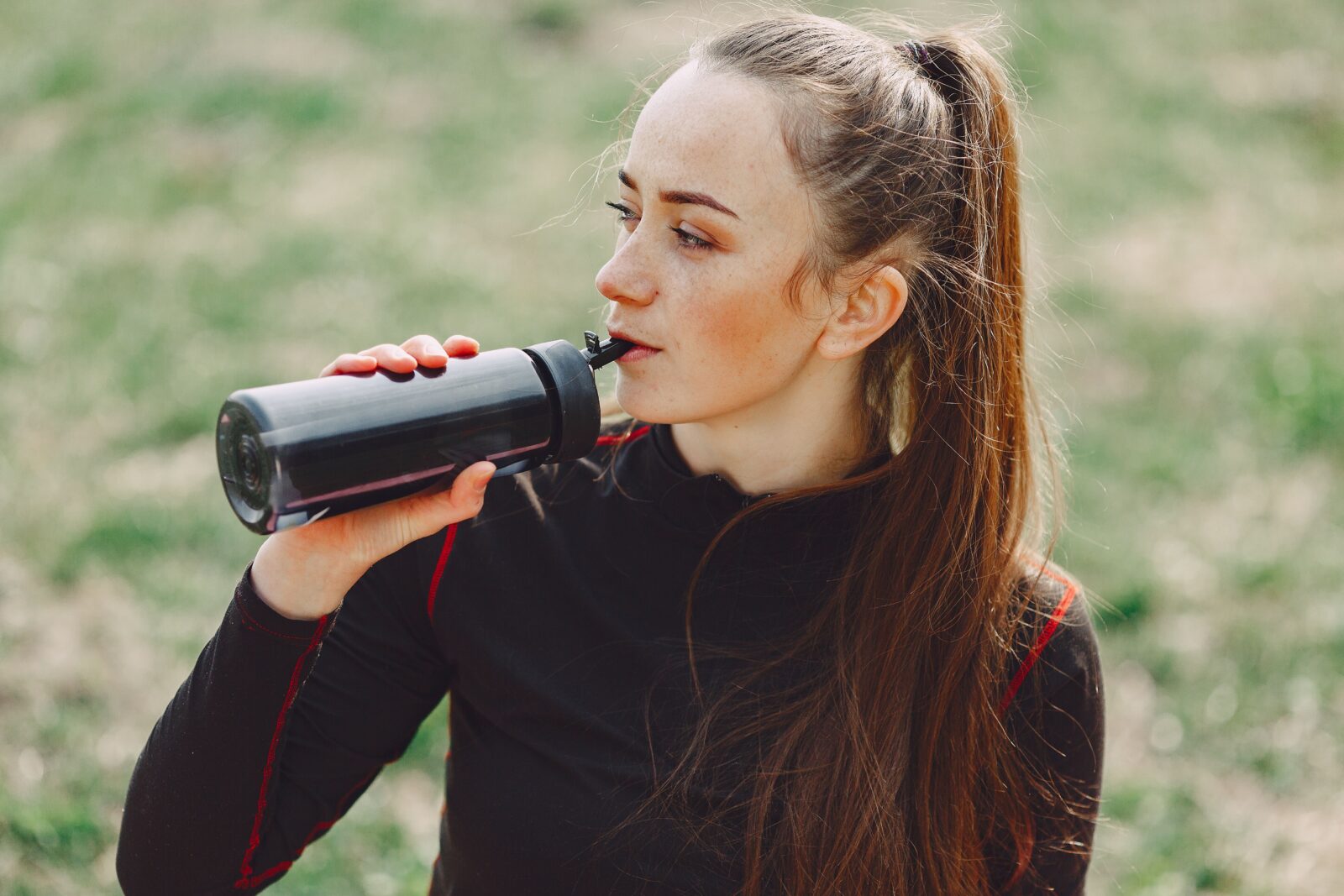
Dry mouth during exercise and bad breath: the athlete paradox
Here is the surprising part. Fitness and oral health do not always go together. When dentists examined 302 athletes at the London 2012 Olympics, 55% had tooth decay, over 75% had early gum inflammation and 15% had signs of irreversible gum disease (British Journal of Sports Medicine).
These are people with professional coaches and nutritionists. The link between dry mouth during exercise and bad breath is not about effort or discipline. It is about what repeated dry windows, frequent sugar and acid, and high training loads do to the bacteria in your mouth.
Repeated dry windows can slowly tip the balance toward the odor-producers. Train four or five times a week and that can add up, which may be why your breath feels worse now than before you started training.
Support a Healthier Mouth for Active Days →
Why your breath still smells hours after the gym
Water helps right away, and it should be your first move. But many people notice that even after rehydrating, brushing and using mouthwash, the stale smell creeps back by the afternoon.
That is because rinsing and brushing remove bacteria, but they do not change which bacteria grow back. If the odor-producing species are dominant, they repopulate the tongue and gumline first, often within hours.
Strong alcohol mouthwash can make it worse. It dries the mouth further and wipes out helpful bacteria too, as we compare in oral probiotics vs mouthwash. That is a bad trade when exercise is already drying you out.
Where an oral probiotic fits for gym breath
An oral probiotic works on the part water and brushing cannot reach. Instead of trying to kill bacteria, it adds beneficial strains that settle on the tongue, gums and teeth and compete with the odor-producers for space and food.
Over time, that shifts which bacteria take over during the dry windows training creates. It is the same reason people use oral probiotics for dry mouth, where saliva is low for other reasons.
Three honest points. It needs to be an oral probiotic that dissolves slowly in your mouth, because a gut capsule passes straight through, as explained in gut probiotics vs oral probiotics. It works over weeks, and the realistic timeline is in how long oral probiotics take to work. And it works alongside water, brushing and flossing, never instead of them.
See the Oral Probiotic We Recommend →
How to stop bad breath at the gym: a before, during and after plan
This is how to stop bad breath at the gym without changing your training. Small habits at three moments make the biggest difference.
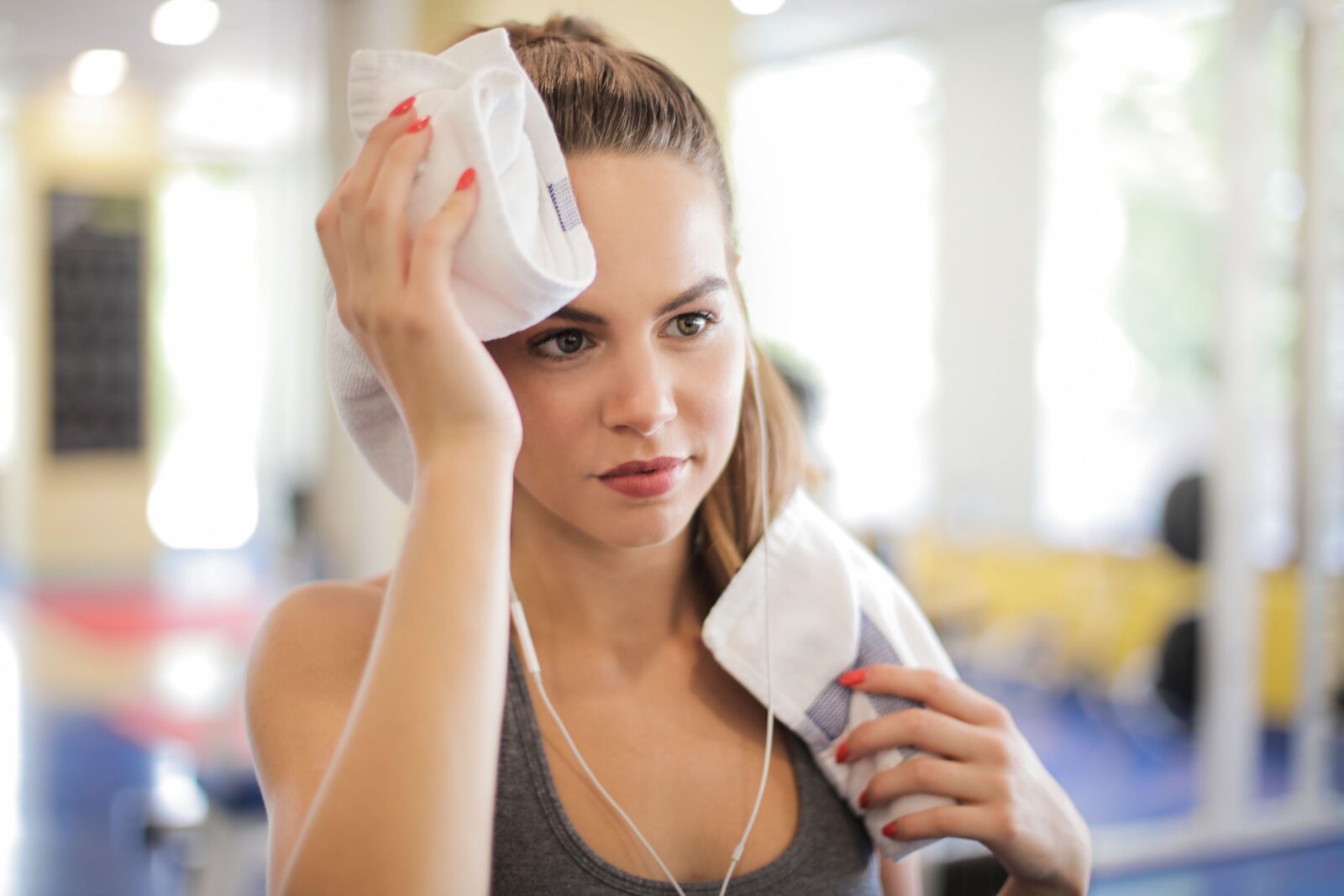
Before: start hydrated
Drink a glass of water in the hour before you train, especially first thing in the morning when your mouth is already dry. If you have pre-workout coffee, follow it with water, because coffee can give you bad breath on its own.
During: sip water between sets
Small, regular sips keep your mouth moist better than gulping a whole bottle at the end. During easier parts of your session, such as warm-ups and rest periods, try breathing through your nose to give your mouth a break.
During: rinse after gels and sports drinks
If you use gels, sports drinks or bars, follow each one with a mouthful of plain water swished around your teeth. It clears the sugar and acid before bacteria can use it.
After: wait before brushing if you had acid
After acidic drinks, wait about 30 to 60 minutes before brushing, because acid softens enamel for a while. Rinse with water straight away, then brush and clean your tongue once that window has passed.
After: clean your tongue and your shaker
Gently scrape the back of your tongue, where most odor lives, and wash your shaker bottle every time. Our daily routine to stop bad breath sets out the full order for the rest of the day.
Every night: rebuild the balance
Floss between every tooth, brush, then let the oral probiotic dissolve slowly so the strains have time on your tongue and gums overnight. Give it at least two to three weeks before you judge the difference.
Start Your Fresh Breath Gym Routine →
When gym breath needs a dentist or doctor
Most exercise breath improves with the plan above. Book a check if you notice any of these:
- Bad breath that lasts all day, every day, even on rest days
- A dry mouth that does not improve when you drink water
- Gums that bleed, look swollen or seem to be pulling back
- A fruity, ammonia-like or very unusual smell that does not go away
- Tooth pain, sensitivity or a bad taste that will not leave
A strange smell can sometimes point to something beyond your mouth. Our guide to what different bad breath smells mean explains which ones are worth raising with a doctor, and oral probiotics for gum health covers the gum side.
Your workouts are not the problem
You do not need to train less, skip your shake or give up your morning run. You just need to give your mouth what exercise takes away: water, a quick rinse, a clean tongue and a healthier balance of bacteria.
Do that, and you can lean in to talk to your trainer, grab a post-workout coffee with a friend or kiss your partner when you get home without a second thought.
Gym breath: frequently asked questions
Is it normal to have bad breath after working out?
Yes, it is common. Hard exercise often means breathing through your mouth, sweating out fluid and producing less saliva, and saliva is what normally rinses away odor-causing bacteria. Breath usually improves once you rehydrate. If it stays bad for hours every time, look at your drinks, protein intake and daily cleaning.
Why does my breath smell after running?
Running usually means long stretches of mouth breathing, often in dry or cold air, plus sweat loss. That dries the mouth and slows saliva, so bacteria on the tongue and between the teeth release more sulfur compounds. Gels and sports drinks taken mid-run can add sugar and acid on top.
Can protein shakes cause bad breath?
They can contribute. A very high-protein diet leaves more protein for mouth bacteria to break down, and that process releases sulfur compounds. A milky shake can also leave a film on the tongue. Rinsing with water after a shake, washing your shaker bottle and cleaning your tongue all help.
Does dehydration cause bad breath during exercise?
It can. When you lose fluid through sweat, your body makes less saliva, and a drier mouth lets odor-producing bacteria multiply faster. Sipping water before, during and after training is one of the simplest ways to reduce dry mouth during exercise and bad breath.
Should I brush my teeth right after a workout?
If you had a sports drink, energy gel or other acidic drink, rinse with water first and wait about 30 to 60 minutes before brushing, because acid softens enamel for a while. Otherwise, brushing and cleaning your tongue after training is fine and helps reset your mouth.
Can an oral probiotic help with gym breath?
An oral probiotic adds beneficial strains that settle on the tongue, gums and teeth and compete with odor-producing bacteria. It does not replace water, brushing or flossing, but it can help change which bacteria take over during the dry windows that training creates. Results build over several weeks.
Where to go from here
If you are deciding where to spend money first, our breakdown of what to buy for bad breath compares mouthwash, mints, gadgets and probiotics over a full year.
And if you want to see the specific oral probiotic we recommend, the strains that matter for breath and gums, and how to take it, start at our oral probiotic Start Here guide.
Train hard. Then let your breath keep up.