Disclosure: This article is for general educational purposes and is not medical or dental advice. Some links are affiliate links, meaning we may earn a small commission at no extra cost to you if you choose to make a purchase. We only point readers toward things we genuinely believe can help.

Bad breath after being sick is extremely common, and it usually is not the illness itself. A cold, flu or sinus infection dries out your mouth, coats the back of your tongue in mucus and knocks your oral bacteria off balance. The virus leaves. The imbalance often stays. Here is why, and how to reset it.
You finally feel human again.
The fever broke days ago, the tissues are in the bin, and you are back at work. Everything recovered. Except one thing.
Your mouth still tastes stale no matter how often you brush. There is a thick, pale coating on the back of your tongue that keeps coming back. And twice now you have taken a half-step back when someone leaned in to talk.
It feels unfair. You spent a week doing nothing but looking after yourself, and now you have a problem that seems to belong to someone who does not.
If you have been typing why does my breath smell after the flu into your phone at midnight, you are not imagining it. There is a clear reason this happens, and a clear way out.
Why your breath smells worse after a cold or flu
Most bad breath is made by bacteria living on the tongue and around the gums. When they break down proteins, they release volatile sulphur compounds — the same family of gases behind rotten eggs. A healthy mouth keeps those bacteria in check. Being ill quietly removes almost every one of those checks at the same time.
1. Your mouth dried out for days
Fever, sweating and forgetting to drink all add up to dehydration, and saliva is one of the first things your body rations. Saliva is your mouth’s rinse cycle and its oxygen supply. Without it, the oxygen-hating bacteria that produce the smell get exactly the conditions they prefer.
2. You breathed through your mouth all night
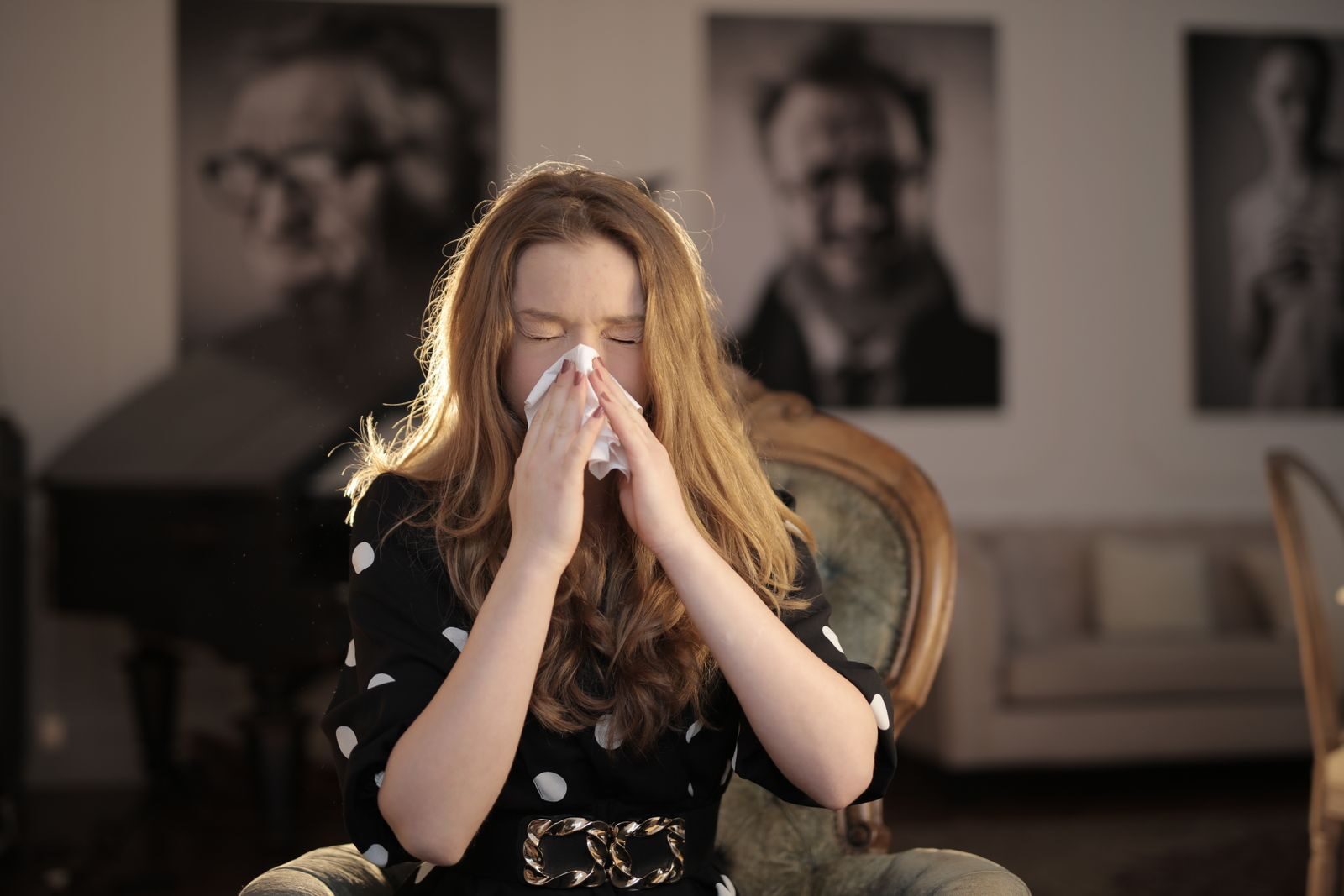
A blocked nose forces you to breathe through your mouth, and a mouth held open for eight hours dries the tongue and palate even further. That is why the morning breath during and after a cold is so much worse than usual. We cover this mechanism in detail in mouth breathing at night and bad breath.
3. Mucus coated the back of your tongue
Congestion does not only block your nose. It drains down the back of your throat and settles on the rear of your tongue, which is already the least oxygenated, least cleaned surface in your mouth. Mucus is protein, and protein is precisely what odour-producing bacteria feed on. If the drip has outlasted the cold, read postnasal drip and bad breath.
4. Your routine slipped
Nobody flosses with a fever. You probably skipped brushing on the worst nights, lived on toast and sweet drinks, and chewed far less than usual — and chewing is one of the main triggers for saliva. None of this is a failing. It is what being ill looks like. But it all pushes in the same direction.
See What Resets Your Mouth After Being Sick →
Bad breath after being sick with a cold: the medicine cabinet effect
The things you took to feel better can quietly make your breath worse.
Decongestants and antihistamines dry up mucus, which is the point, but they dry your mouth along with it. The wider list is in medications that cause bad breath. Never stop or change a prescribed medicine because of your breath — work on the saliva side instead.
Cough drops, syrups and sweet hot drinks are the ones most people never suspect. So, do cough drops cause bad breath? Many are mostly sugar. Sucking one every hour bathes your tongue in sugar all day, feeding the same bacteria you are trying to calm down, while the menthol hides the smell for twenty minutes. Choose sugar-free lozenges, and follow honey-and-lemon drinks with a glass of plain water.
Bad breath after strep throat antibiotics or a sinus infection
Colds and flu are viral, so antibiotics do not treat them. But if your illness turned into strep throat or a sinus infection, you may have been prescribed a course — finish it exactly as directed.
The side effect nobody mentions is what antibiotics do to your mouth. They cannot tell harmful bacteria from helpful ones, so they knock down the beneficial species that normally hold the odour-producers in check. When the course ends, whoever grows back fastest takes the space, and often that is the wrong crowd. This is why bad breath after strep throat antibiotics is so common, as explained in oral probiotics after antibiotics.
Creamy white patches that wipe off and leave red tissue can be thrush, which also tends to follow antibiotics — see oral thrush that keeps coming back. And a throat infection can leave swollen tonsils full of debris, which is why some people get their first tonsil stones right after being ill. The bacterial side is covered in oral probiotics for tonsil stones.
Why bad breath lingers after you feel better
Your immune system is very good at clearing a virus. But it was never in charge of the bacterial balance in your mouth, and nothing about getting better automatically restores it.
For a week or more, your mouth was dry, coated in mucus, low on oxygen, fed on sugar and possibly hit with antibiotics. That is close to the perfect environment for odour-producing bacteria, and they used it. By the time you recover, they hold the ground.
That is why the coating keeps coming back an hour after you scrape it, and why brushing harder has not fixed anything. You are removing their output, not changing who lives there. It is the same reason so many people keep asking why is my tongue white long after the cause seems to have passed.
Your body cleared the infection. Nothing has cleared the imbalance yet.
Rebalance Your Mouth After Being Ill →
Why mouthwash makes breath worse after being sick
The instinct after being sick is to blast everything with the strongest antibacterial rinse in the cupboard. For your mouth, it backfires. Alcohol-based rinses dry the tissue, and antiseptic rinses wipe out the beneficial bacteria along with the harmful ones — effectively a second round of antibiotics for your mouth. The odour-producers grow back faster, and you end up worse balanced than before. We compare the two approaches in oral probiotics vs mouthwash.
If you want a rinse while you recover, warm salt water is gentle and does not strip anything.
Where an oral probiotic fits after being sick
Think of the weeks after an illness as a window. A disrupted mouth is also an open one: the competition for space on your tongue and gums is less settled than usual, which makes it one of the best moments to change what grows back.
That is exactly what an oral probiotic is designed to do. Instead of trying to kill bacteria, it adds beneficial strains that settle on the tongue and gums and compete with the odour-producers for space and food, shifting the baseline so the smell has less to work with.
Three honest points:
First, it has to be an oral probiotic that dissolves in the mouth. A gut capsule passes straight through to your stomach. The difference is laid out in gut probiotics vs oral probiotics.
Second, it works over weeks, not days. The week-by-week picture is in how long oral probiotics take to work.
Third, it does not treat an infection. If you are still ill or on a prescribed medicine, finish your recovery first and ask your pharmacist about timing.
See the Oral Probiotic We Recommend →
How to reset your mouth after being sick: a 14-day plan
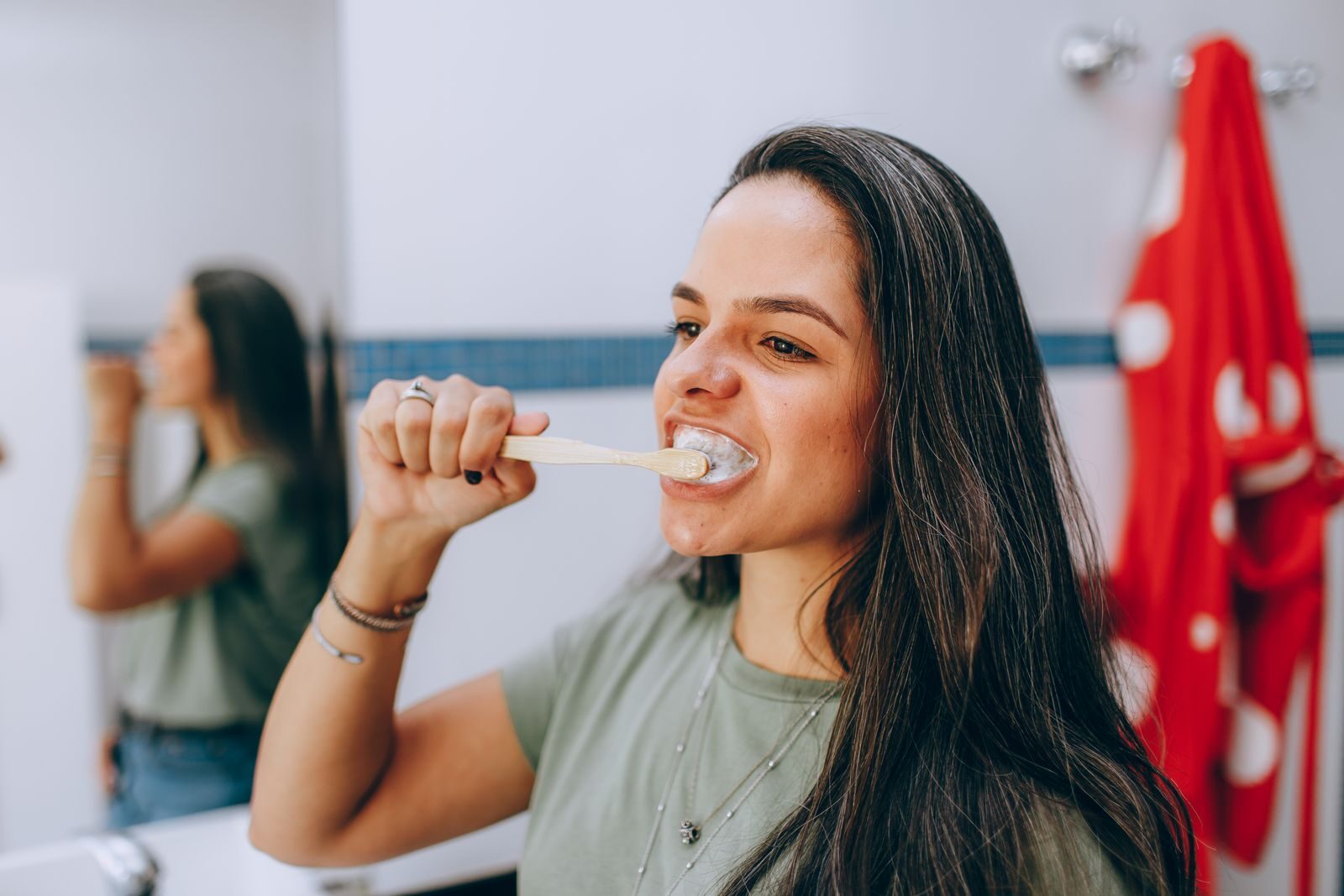
This is how to reset your mouth after being sick, in the order that matters.
Day 1: give yourself a fresh toothbrush
The evidence that you can reinfect yourself from your own toothbrush is limited, but a brush that has been through a week of illness is usually worn and overdue anyway. At the very least, rinse it well and let it air-dry upright.
Days 1–14: drink before you feel thirsty
Rehydrating is the fastest win. Sip water steadily through the day, and have a glass after every coffee or sweet drink. Saliva comes back with hydration.
Days 1–14: clean the back of your tongue every morning
Start as far back as you comfortably can and pull forward gently, rinsing between passes. You are lifting the coating, not scrubbing the tissue.
Days 1–14: clear what is still draining
If you are still congested, a saline nasal rinse once or twice a day thins the mucus that keeps landing on your tongue.
Days 1–14: swap the sugary lozenges
Switch to sugar-free lozenges or xylitol gum, which also gets saliva flowing.
Every night: rebuild the balance
Skip the antiseptic rinse. Brush, then take the oral probiotic and let it dissolve slowly so the strains have time on your tongue and gums. Our daily routine to stop bad breath sets out the full order.
Day 14: judge it fairly
By two weeks most people notice the coating thinning and the stale taste fading. A full shift in the balance takes longer, so keep the nightly step going for several weeks.
When bad breath after being sick needs a doctor
Most post-illness bad breath fades with the steps above. See a doctor or dentist if you notice any of these:
- A fever that returns, or one that lasts longer than expected
- Facial pain or pressure with thick discoloured mucus lasting more than ten days, which can point to a bacterial sinus infection
- A severe sore throat with fever and white spots on the tonsils
- White patches in the mouth that wipe off and leave red, sore tissue
- A genuinely foul or putrid smell, rather than a stale one
- Trouble swallowing, or symptoms still going two to three weeks after you otherwise feel well
If none of those apply, you are dealing with the balance problem above — the part you can fix yourself.
You already did the hard part
The stale taste and the coated tongue are not a sign that something is wrong with you, and they are not permanent. They are the leftover footprint of a week your mouth spent dry, coated and out of balance. Hydrate, clean the right surfaces, stop stripping your mouth with harsh rinses, and give the beneficial bacteria a reason to move back in.
Frequently asked questions
Why does my breath smell after the flu?
Being ill dries your mouth, causes mouth breathing at night and coats the back of your tongue in mucus, which is protein that odour-producing bacteria feed on. Medicines, sugary lozenges and a slipped routine add to it. The virus clears, but the bacterial balance in your mouth often stays disrupted for a while afterwards.
How long does bad breath last after being sick?
For many people it fades within a week or two of recovery once they rehydrate and get back to their normal routine. If it is still there two to three weeks after you otherwise feel well, the bacterial balance in your mouth has likely shifted, and it is worth working on that directly or checking with a dentist.
Do cough drops cause bad breath?
Many cough drops are mostly sugar, and taking them every hour keeps your teeth and tongue bathed in sugar that feeds odour-producing bacteria. The menthol masks the smell briefly. Sugar-free lozenges or xylitol gum are a better choice while you recover.
Can antibiotics cause bad breath?
Antibiotics cannot tell harmful bacteria from beneficial ones, so they can knock down the helpful species in your mouth. When the course ends, odour-producing bacteria often regrow first, which is why bad breath is common after a course for strep throat or a sinus infection. Always finish antibiotics as prescribed.
Should I replace my toothbrush after being sick?
The evidence that you reinfect yourself from your own toothbrush is limited. Still, a brush used through a week of illness is often worn out and due for replacement, and a new one is inexpensive. At minimum, rinse it well and let it air-dry upright away from other brushes.
Can an oral probiotic help after being sick?
An oral probiotic adds beneficial strains that settle on the tongue and gums and compete with odour-producing bacteria, which helps restore balance after illness has disrupted it. It works over several weeks, does not treat an infection, and should be an oral formula that dissolves in the mouth rather than a gut capsule.
Where to go from here
If you are weighing up mouthwash, mints and gadgets against fixing the cause, our breakdown of what to buy for bad breath compares the real cost of each option over a year.
And if you want to see the specific oral probiotic we recommend, the strains that matter for breath and gums, and how to take it, start at our oral probiotic Start Here guide.
Cold and flu season will come round again. Your breath does not have to go down with it.