Disclosure: This article is for general educational purposes and is not medical or dental advice. Some links are affiliate links, meaning we may earn a small commission at no extra cost to you if you choose to make a purchase. We only point readers toward things we genuinely believe can help.
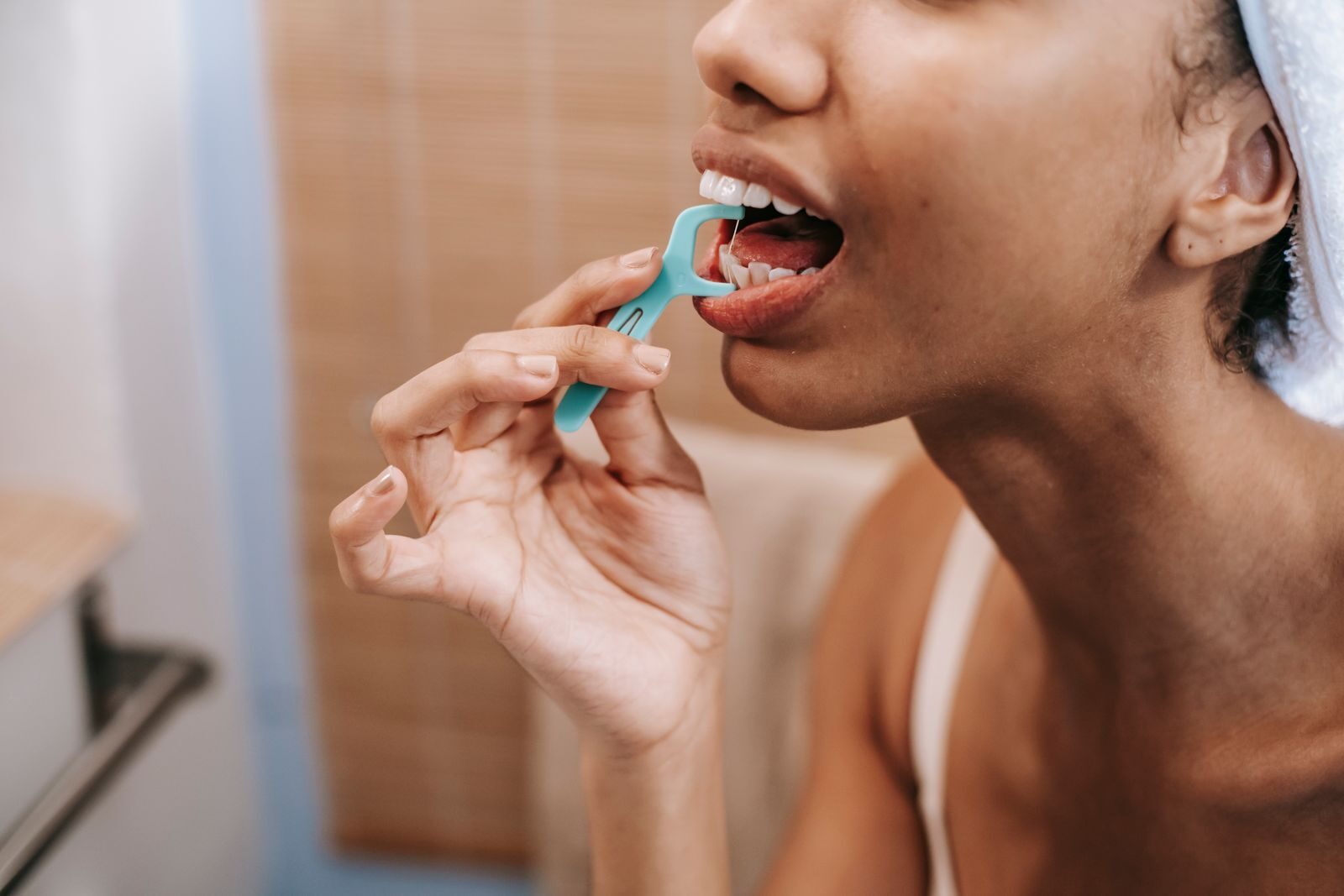
If you are asking why does my floss smell bad, you are smelling the bacteria that live between your teeth and just under the gumline, the places a toothbrush cannot reach. It is common, it is a useful early warning, and in most cases it is fixable. Here is what the smell means and how to make it stop.
You slide the floss between two back teeth.
Then you do the thing almost everyone does and almost nobody admits to. You smell it. And you immediately wish you had not.
It is sharp, sour, sometimes worse than that. Your first thought is panic: if the floss smells like this, what does my breath smell like? Your second thought is confusion, because you brushed this morning. Twice, even.
Here is the good news. That smell is not a verdict. It is information, and it is pointing you at exactly the spot where bad breath starts.
Why does my floss smell bad? What you are actually smelling
Most bad breath is made by bacteria. When they break down trapped food, dead cells and proteins, they release volatile sulfur compounds, the same family of gases behind rotten eggs.
The tight gaps between your teeth are perfect for these bacteria. They are warm, low in oxygen, packed with leftover food, and completely out of reach of your toothbrush bristles. Plaque in those gaps can sit undisturbed for days.
Floss scrapes that plaque out and brings it up to your nose. That is why the floss test is one of the most honest breath checks there is, as we explain in how to tell if you have bad breath. A little smell after a long day is normal. A strong smell every time is your mouth asking for attention.
5 reasons your floss smells bad
Most people have more than one of these going on at the same time. That is why fixing a single habit often helps a little but never quite makes the smell disappear. Read all five and notice which ones sound familiar.
1. Plaque that has been sitting too long
Plaque starts rebuilding within hours of cleaning. If you floss once a week, or skip the back teeth, you are pulling out several days of growth at once. The longer it sits, the stronger the smell.
2. Food trapped between your back teeth
If your floss smells bad between back teeth in particular, trapped food is a likely reason. Molars have tight contacts and deep grooves that catch meat fibers, seeds and bread. When that food stays there, bacteria break it down overnight, and the smell is what is left.
3. Inflamed gums
When plaque sits along the gumline, the gums react. They swell, turn red and bleed easily. Inflamed gums create small pockets where odor-producing bacteria thrive and blood gives them extra protein to feed on. This is gingivitis, and it is the stage you want to catch. We cover it in detail in the early gum disease window.
4. One spot that always smells
If the smell comes from the same gap every time, something there may be trapping food. A cavity between two teeth, a cracked or leaking filling, or the edge of a crown or bridge can all do it. That pattern is worth a dental visit, and the bridge and crown side is explained in bad breath from dentures, bridges and implants.
5. A dry mouth
Saliva is your mouth’s natural rinse. When it slows down, from mouth breathing, dehydration, alcohol or common medicines, bacteria between your teeth multiply faster. Our guide to oral probiotics for dry mouth explains why saliva matters so much.
See What Changes the Bacteria Between Your Teeth →
Floss smells like poop after flossing? What that means
It is a surprisingly common question, and people are often too embarrassed to ask it out loud. If your floss smells like poop after flossing, it is not coming from your gut.
An unusually strong, foul smell usually means a heavy buildup of oxygen-hating bacteria, often around inflamed gums or a spot where food keeps getting trapped. Some of these bacteria produce compounds beyond sulfur gases, which is why the smell can be so much worse than ordinary morning breath.
It is a sign to clean that area more thoroughly, not a sign that something is wrong with you. If it comes with swelling, pain, pus or a bad taste that will not go away, see a dentist promptly.
Bleeding gums and smelly floss: what they mean together
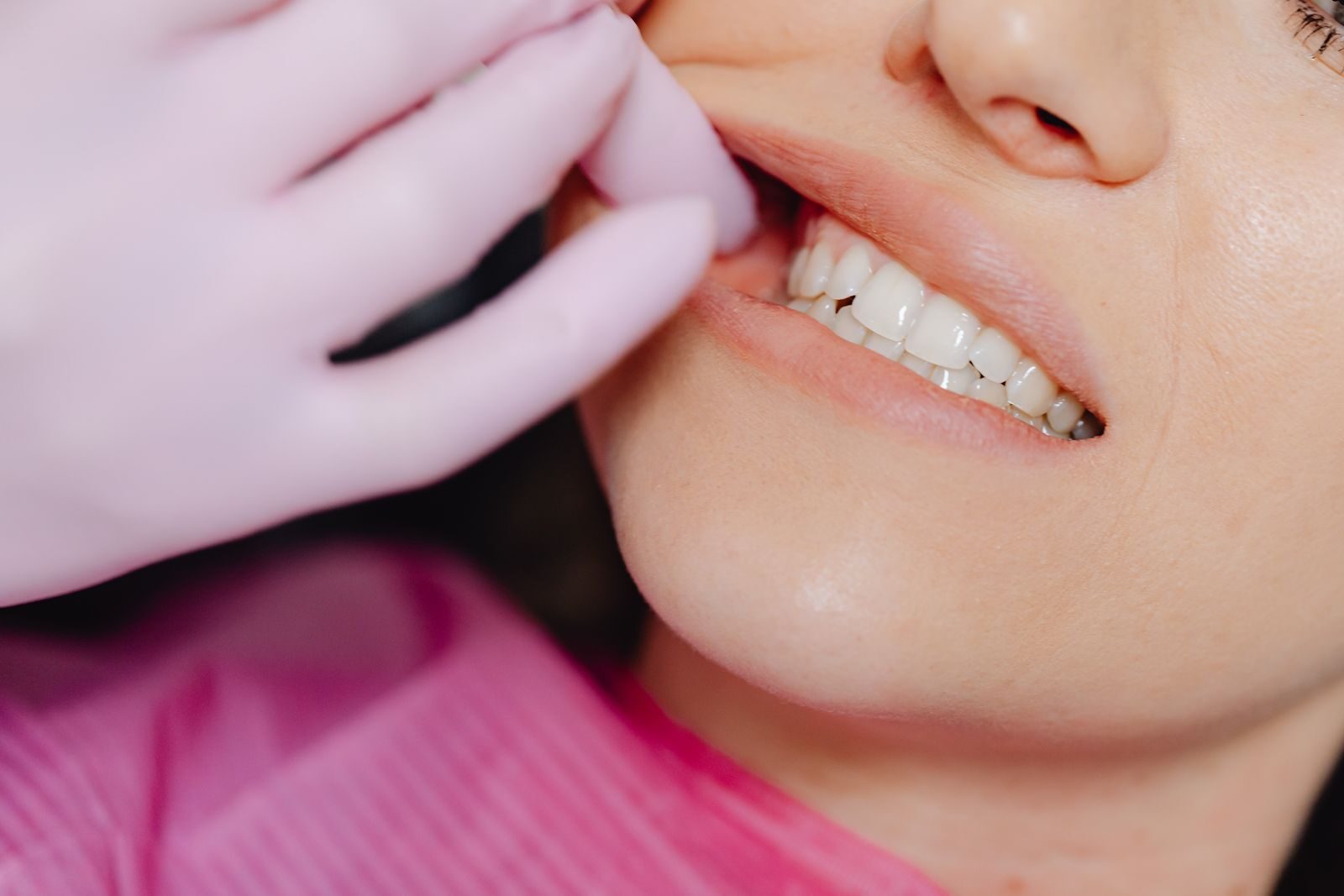
On their own, each can be a one-off. When you see bleeding gums and smelly floss together, they usually point to the same thing: gums that are inflamed by plaque along the gumline.
The instinct is to stop flossing because it bleeds. That is the opposite of what helps. Bleeding is a sign that plaque is irritating the tissue. Gentle daily cleaning removes the cause, and the bleeding usually settles as the gums calm down.
Gingivitis is the reversible stage of gum disease. With consistent daily cleaning and a professional cleaning, its symptoms can often improve within about 10 to 14 days. That makes bleeding gums and smelly floss less of a scary diagnosis and more of an early warning with a clear deadline.
If the bleeding has not settled after two weeks of gentle daily flossing, book a dental check. The bacterial side of healthy gums is covered in oral probiotics for gum health.
Support Healthier Gums Between Your Teeth →
Why your floss still smells when you floss every day
This is the part that frustrates people most. You started flossing every night. The smell got better, then it came back.
Flossing removes plaque. It does not change which bacteria grow back into that space. Within hours, the gap starts to fill again, and if the odor-producing species are dominant in your mouth, they are the ones that move back in first.
That is why the same thing happens after a professional cleaning, as we explain in bad breath after a dental cleaning. Removal is only half the job. The other half is changing the balance of who lives there. It is also the reason so many people ask why does my breath smell after brushing and flossing when they are doing everything right.
Where an oral probiotic fits for smelly floss
An oral probiotic works on that second half. Instead of trying to kill bacteria, it adds beneficial strains that settle on the gums, tongue and teeth and compete with the odor-producers for space and food.
Over time, that shifts what grows back into the gaps between your teeth, so there is less to smell on the floss the next night.
Three honest points:
First, it must be an oral probiotic that dissolves slowly in the mouth. A gut capsule passes straight through to your stomach, as explained in gut probiotics vs oral probiotics.
Second, it works over weeks, not days. The realistic timeline is in how long oral probiotics take to work.
Third, it does not replace flossing or your dentist. It works alongside them.
See the Oral Probiotic We Recommend →
How to stop floss from smelling: a 14-day plan
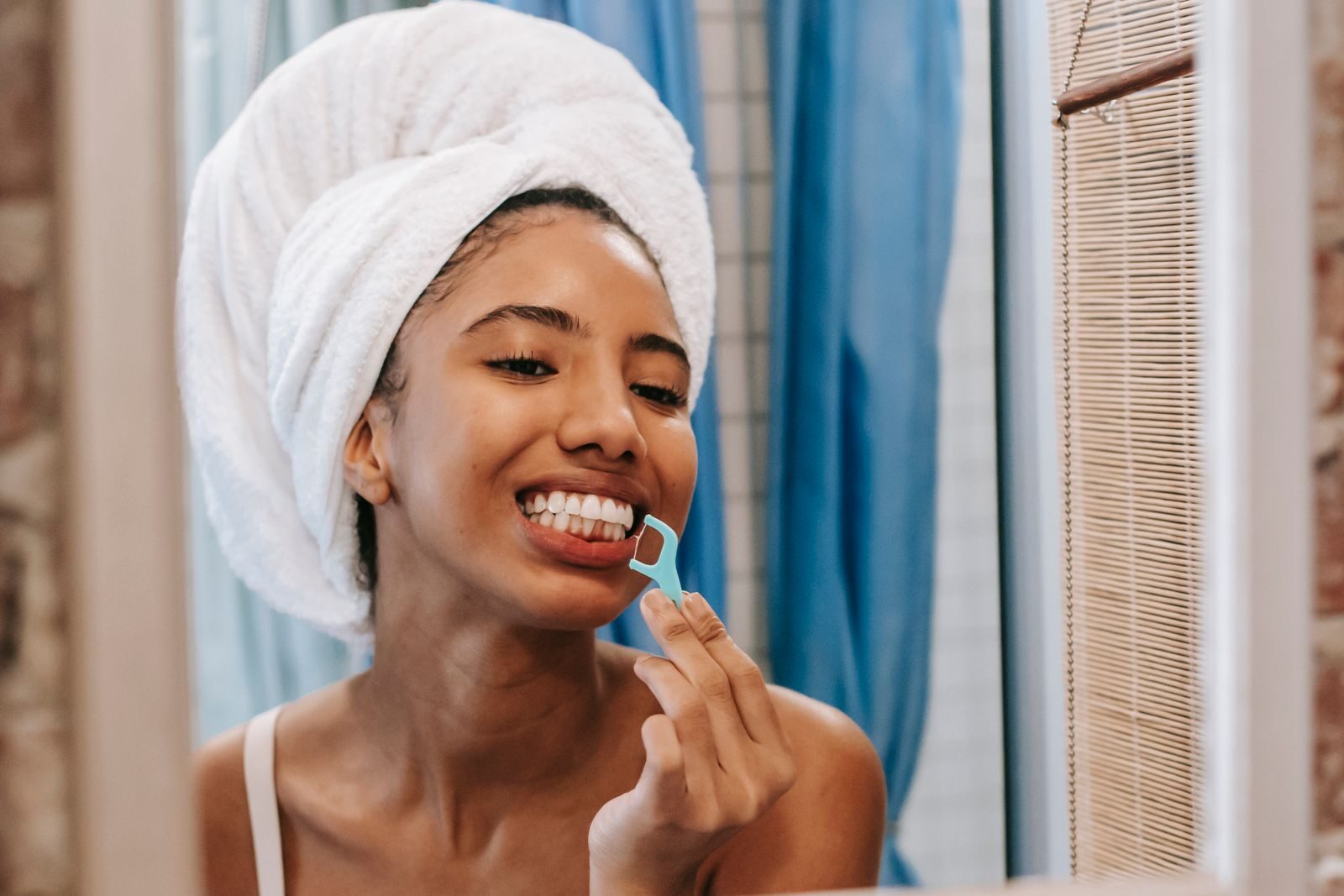
This is how to stop floss from smelling, in the order that matters. Your floss becomes your progress tracker.
Every night: clean between every tooth
Once a day is enough, and night is best, because bacteria multiply while saliva slows during sleep. Do not skip the back teeth. That is where the smell usually lives.
Curve the floss into a C shape
Hug each tooth and slide gently just under the gumline, then up and down a few times. You are lifting plaque, not sawing at your gums.
Use a fresh section for each gap
Reusing the same piece moves bacteria from one gap to the next. Wind it along as you go.
Try interdental brushes or a water flosser
If string floss is hard to use on your back teeth, small interdental brushes or a water flosser on a low setting can reach those gaps more easily. The best tool is the one you will actually use every night, so pick whichever feels easiest and stick with it.
Clean the back of your tongue
The back of your tongue is the number one source of mouth odor. Scraping it every morning keeps it from reseeding the gaps you just cleaned. See why is my tongue white for what that coating is.
Skip the alcohol mouthwash
Harsh rinses dry your mouth and wipe out helpful bacteria too, so the odor-producers often grow back faster. We compare both approaches in oral probiotics vs mouthwash.
Every night: rebuild the balance
After flossing and brushing, let the oral probiotic dissolve slowly so the strains have time along the gumline. Our daily routine to stop bad breath sets out the full order.
Day 14: do the floss test again
Smell the floss from the same back teeth. Many people notice a clear difference by now. If one spot still smells strongly or still bleeds, that spot needs a dentist.
Start Your 14-Day Fresh Floss Plan →
When smelly floss needs a dentist
Most smelly floss improves with the plan above. Book a dental visit if you notice any of these:
- One gap that always smells, no matter how well you clean it
- Gums that still bleed after two weeks of gentle daily flossing
- Gums that look like they are pulling back from your teeth
- A tooth that feels loose, or pain when you bite
- Swelling, pus, or a bad taste that will not go away
These are things a dentist can see and fix faster than any routine can. Facial swelling, fever or severe pain need prompt care.
Your smelly floss just gave you a head start
Most people never find out where their bad breath is coming from. They chew gum, buy stronger mouthwash and hope.
You found the source on a piece of string. That is not embarrassing. It is useful. Clean between your teeth every night, treat your gums gently, stop stripping your mouth with harsh rinses, and give the beneficial bacteria a reason to move back in. Then let your floss tell you when it is working.
Smelly floss: frequently asked questions
Is it normal for floss to smell?
A faint smell after a full day is normal, because plaque builds up between teeth within hours. A strong smell every time you floss usually means plaque has been sitting for days, food is trapped, or the gums are inflamed. Daily flossing usually reduces it within a couple of weeks.
Why does my floss smell like poop?
A very strong, foul smell usually comes from a heavy buildup of oxygen-hating bacteria between the teeth or around inflamed gums. It does not come from your gut. Clean that area gently every day, and see a dentist if there is swelling, pain, pus or a bad taste that will not go away.
Why does only one spot smell when I floss?
A single smelly gap often means something there is trapping food, such as a cavity between two teeth, a cracked or leaking filling, or the edge of a crown or bridge. It can also be a deeper gum pocket. If one spot keeps smelling despite good cleaning, have a dentist check it.
Does smelly floss mean gum disease?
Not always, but smelly floss together with bleeding gums often points to gingivitis, the early and reversible stage of gum disease. Its symptoms can often improve within about 10 to 14 days of consistent daily cleaning and a professional cleaning. Bleeding that lasts longer is worth a dental check.
How long does it take for floss to stop smelling?
Many people notice a clear difference within one to two weeks of flossing every night, cleaning the back of the tongue and avoiding alcohol mouthwash. Shifting the bacterial balance between your teeth takes longer, which is why an oral probiotic is used for several weeks.
Can an oral probiotic help smelly floss?
An oral probiotic adds beneficial strains that settle on the gums and teeth and compete with odor-producing bacteria, which can change what grows back between your teeth after you floss. It works over weeks, should dissolve slowly in the mouth, and does not replace flossing or dental care.
Where to go from here
If you are weighing up mouthwash, mints and gadgets against fixing the cause, our breakdown of what to buy for bad breath compares the real cost of each option over a year.
And if you want to see the specific oral probiotic we recommend, the strains that matter for breath and gums, and how to take it, start at our oral probiotic Start Here guide.
The next time you smell your floss, let it be good news.