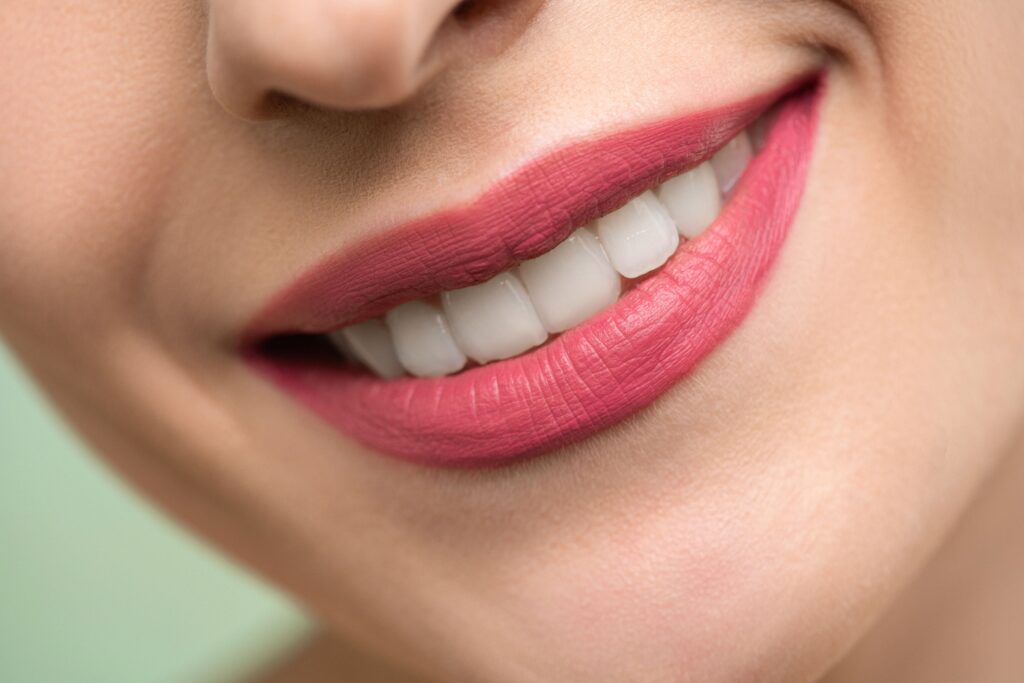
Your gums bleed a little when you brush. They look puffy or feel tender, and no amount of extra flossing seems to fully fix it. If that sounds familiar, you are not alone — and the reason is often misunderstood. Gum problems are rarely just about brushing harder or more often. They usually come down to the balance of bacteria living along your gumline. That is exactly why more people are turning to oral probiotics for gum health — to address the bacterial imbalance at the root, rather than only scrubbing at the symptoms.
Disclosure: This article is reader-supported. If you buy through links on this page, we may earn a commission at no additional cost to you. This never affects the information we share.
What’s Actually Happening When Your Gums Aren’t Healthy
Healthy gums are firm, pale pink, and do not bleed during normal brushing. When the balance of bacteria in your mouth tips toward harmful species, those bacteria collect along and beneath the gumline in sticky plaque. Your body responds to that bacterial buildup with inflammation — which is what produces the redness, swelling, tenderness, and bleeding of early gum trouble, known as gingivitis. Left unchecked, ongoing inflammation can progress to more serious gum disease that affects the tissue and bone supporting your teeth. The common thread at every stage is bacteria — and that is the piece brushing alone does not fully solve.
The Mouth-Body Connection: Why Gum Health Matters Beyond Your Smile
Gum health is not only about keeping your teeth — it may reflect and influence the health of the rest of your body. Researchers have documented associations between chronic gum inflammation and a range of whole-body health markers, and the mouth is increasingly viewed as a window into overall wellbeing. An oral probiotic is not a treatment for any of those conditions, but keeping the bacteria in your mouth in better balance is a sensible part of taking care of yourself. Inflamed, bleeding gums are a signal worth paying attention to, not just a cosmetic annoyance — and addressing the bacterial imbalance behind them supports both your smile and your broader health.
Why Brushing and Flossing Sometimes Aren’t Enough
Brushing and flossing are essential, and nothing replaces them. But they are mechanical — they physically scrape plaque off surfaces. What they do not do is change which bacteria repopulate your mouth afterward. Within hours of cleaning, bacteria begin recolonizing your teeth and gumline, and if your oral microbiome is dominated by harmful species, those are the ones that come back fastest. This is why some people can be diligent about hygiene and still struggle with irritated gums. If several of the warning signs of an unbalanced oral microbiome sound familiar, the issue may be the makeup of your bacteria, not the effort you are putting in.
How Oral Probiotics Support Gum Health
Oral probiotics take a different approach from anything you scrub with. Instead of only removing bacteria, they add beneficial strains that compete with the harmful, inflammation-driving species for space and resources along the gumline. As the beneficial bacteria establish themselves, they help crowd out the problematic ones and support a healthier balance in the mouth. Some strains have been specifically studied for their role in supporting gum tissue and reducing the bacterial load associated with gum irritation. For the broader evidence base, our overview of whether oral probiotics actually work walks through what the research does and does not show.
The Strains That Matter Most for Your Gums
Just as with any oral probiotic, the specific strains are what separate a genuine gum-support formula from a generic blend. The strains most associated with gum health include:
- Streptococcus salivarius M18 — produces enzymes that target the bacteria involved in plaque formation, one of the main drivers of gum inflammation.
- Lactobacillus reuteri — one of the most studied strains for supporting healthy gums and helping to ease oral inflammation.
- Lactobacillus brevis — studied for its role in calming the inflammatory response in gum tissue.
- Lactobacillus paracasei — supports overall balance in the oral microbiome, which indirectly benefits the gums.
If a product aimed at gum health does not name strains like these, it is worth a closer look. Our guide to how the right strains support fresh breath and healthy gums goes deeper on why the strain, not just the species, is what matters, and our broader guide to the best probiotics for oral health covers what to look for on any label.
What Oral Probiotics Can — and Cannot — Do for Your Gums
This is where honesty matters. Oral probiotics can help support a healthier bacterial balance, and many people find that consistent use supports firmer, less irritation-prone gums over time. What they cannot do is replace professional dental care or reverse advanced gum disease on their own. If you already have significant gum recession, deep pockets between teeth and gums, or diagnosed periodontal disease, a probiotic is a supporting tool alongside treatment from a dentist or periodontist — not a substitute for it. The most realistic way to think about oral probiotics is as a way to help maintain and support gum health day to day, and as a complement to professional care when a problem is already established.

How to Use Oral Probiotics for Gum Health
Getting results comes down to the right strains used consistently. Take the lozenge at night, after you have brushed, flossed, and rinsed, and let it dissolve slowly so the strains settle along a freshly cleaned gumline. Avoid eating or drinking for about 30 minutes afterward. Because you are gradually shifting a living ecosystem, give it several weeks of daily use before judging the results — our week-by-week guide on how long oral probiotics take to work sets realistic expectations. Supporting the process with a lower-sugar diet helps too, since sugar feeds the same bacteria that irritate your gums; see our list of the best and worst foods for your oral microbiome.
Common Mistakes That Keep Gums Irritated
Even people who care about their gums often undermine their progress without realizing it. A few of the most common mistakes:
- Brushing too hard — aggressive scrubbing can irritate and wear down the gumline rather than help it. Gentle, thorough brushing is more effective.
- Skipping between-teeth cleaning — most gum trouble starts between the teeth, exactly where a brush cannot reach.
- Relying on mouthwash to mask the problem — as our comparison of oral probiotics vs. mouthwash explains, antiseptic rinses can leave your breath fresh while the underlying imbalance quietly rebuilds.
- Quitting a probiotic too early — the beneficial strains need weeks of daily use to establish, and stopping after a few days rarely shows the full benefit.
- Ignoring diet — a high-sugar diet keeps feeding the very bacteria that irritate your gums.
Signs Your Gums May Be Getting Healthier
When you address the bacterial side of gum health, improvements tend to show up gradually rather than overnight. Over several weeks of consistent care, you may notice less bleeding when you brush or floss, gums that look less red and puffy, reduced tenderness, and fresher breath as the balance of bacteria shifts. These changes are usually subtle at first and build over time. Keep in mind that if your gums seem to be getting worse rather than better — or if bleeding and pain persist despite good care — that is a signal to see a dentist rather than wait it out.
When to See a Dentist
Oral probiotics and good home care go a long way, but some gum symptoms need professional attention. See a dentist or periodontist if you have gums that bleed heavily or constantly, persistent pain, gums that are visibly pulling away from your teeth, loose teeth, or any discharge around the gumline. These can be signs of more advanced gum disease that requires a professional cleaning or treatment. Using an oral probiotic alongside that care is reasonable, but it should never delay a visit when these warning signs are present.
Frequently Asked Questions
Can probiotics help gum disease?
Probiotics may help support gum health by rebalancing the bacteria involved in gum disease, and some strains have been studied specifically for gingivitis. The question of whether probiotics help with gingivitis comes up often, and the honest answer is that they appear most useful in the early, inflammation stage and as a complement to professional care — not as a cure for advanced disease.
What are the best probiotics for gum health?
The best probiotics for gum health use mouth-specific strains studied for gum support, especially Streptococcus salivarius M18 and Lactobacillus reuteri. The best probiotic strains for gums are the ones that target the bacteria behind plaque and inflammation, delivered in a lozenge that keeps them in contact with the gumline.
Can probiotics help bleeding or swollen gums?
Because bleeding and swelling are driven by inflammation from harmful bacteria, probiotics for bleeding gums and probiotics for swollen gums work by helping to rebalance that bacterial load. Many people notice their gums feel less tender with consistent use, though persistent bleeding should always be checked by a dentist.
Do probiotics help receding gums?
Probiotics for receding gums cannot regrow gum tissue that has already been lost, but by supporting a healthier bacterial balance they may help slow further progression and support the tissue that remains. Gum recession itself should be evaluated by a dental professional to identify the underlying cause.
Can oral probiotics help gum inflammation?
Easing bacteria-driven inflammation is one of the main ways oral probiotics for gum inflammation are thought to help. Strains such as Lactobacillus reuteri have been studied specifically for their effect on the inflammatory response in gum tissue, which is why they show up in formulas aimed at gum support.
How can I improve my gum health naturally?
To improve gum health naturally, combine consistent brushing and flossing, a low-sugar diet, and an oral probiotic with gum-supporting strains. Together these address both the mechanical and the bacterial sides of gum health, rather than relying on cleaning alone.
Is gum disease linked to overall health?
Yes — chronic gum inflammation has been studied for its associations with several whole-body health markers, which is one reason gum disease and overall health are so often discussed together. An oral probiotic is not a treatment for those conditions, but supporting a balanced oral microbiome is a reasonable part of overall self-care.
How long does it take for probiotics to help gums?
Because you are gradually rebalancing a living ecosystem, it usually takes several weeks of daily use before you notice firmer, less irritation-prone gums. Consistency matters more than a high dose — the strains need time to establish themselves along the gumline before the benefits become noticeable.
Can oral probiotics help periodontitis?
Periodontitis is advanced gum disease that requires professional treatment. Oral probiotics may be used as a supportive tool alongside that treatment to help maintain a healthier balance of bacteria, but they cannot replace the care of a dentist or periodontist.