Disclosure: This article is for general educational purposes and is not medical or dental advice. Some links are affiliate links, meaning we may earn a small commission at no extra cost to you if you choose to make a purchase. We only point readers toward things we genuinely believe can help. Any mouth ulcer that has not healed within three weeks should be examined by a dentist or doctor.
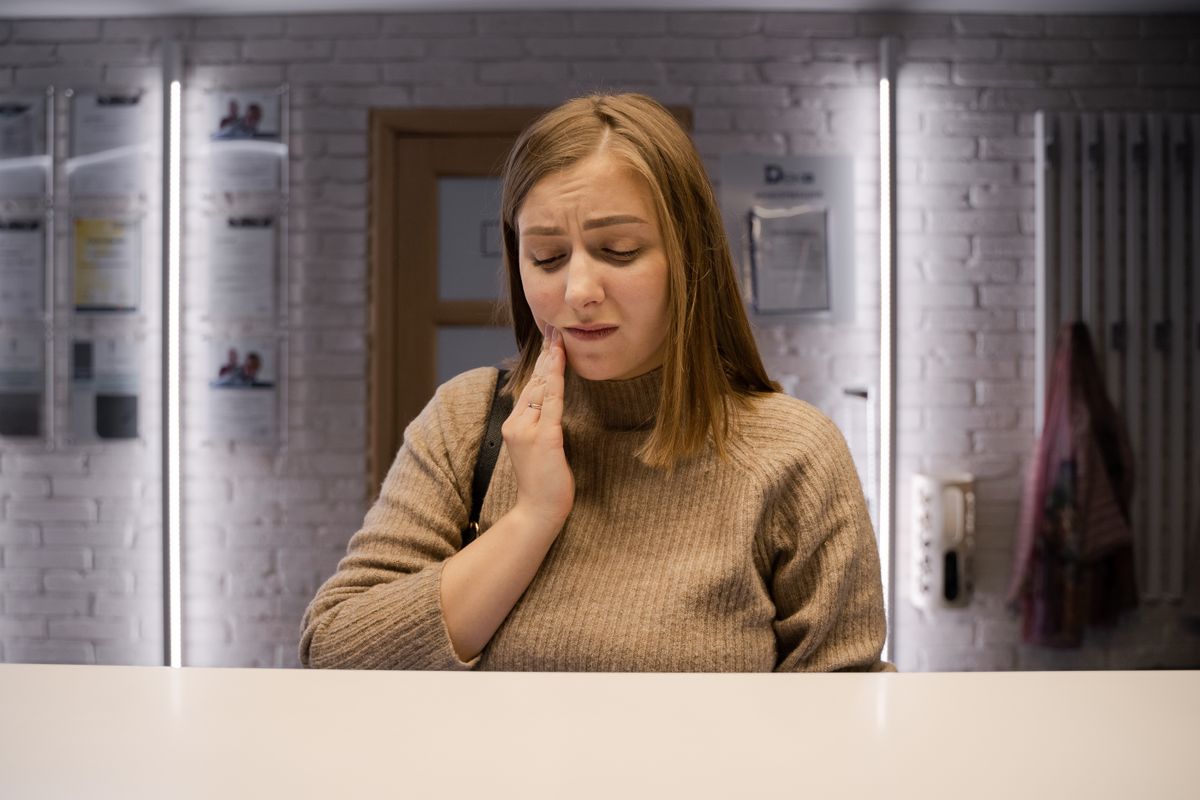
You have one right now, or you had one last month, and you will have another one soon.
That is the part that wears people down. Not the ulcer itself, which heals in a fortnight, but the certainty that the next one is already on its way.
You have stopped eating certain things. You brace before brushing that side. You have learned to angle a fork. And every single time, somebody tells you it is stress, which is unhelpful in a specific way: it is vague enough to be unfalsifiable and it quietly puts the blame back on you for not being calm enough.
Stress is a real trigger. It is also the least useful answer, because it is the one you can do least about in the short term. There are four or five other triggers that are considerably more actionable, and one of them is sitting in your bathroom right now being used twice a day.
Why do I keep getting mouth ulcers?
The clinical name is recurrent aphthous stomatitis, and the honest starting point is that the underlying cause is not fully settled. What is much better understood is what sets them off in people already prone to them, and that is the useful part.
Before the triggers, one distinction worth getting right, because a lot of people are treating the wrong thing.
Mouth ulcers appear inside the mouth, on soft tissue: the inner lip, the cheek, under the tongue. Round or oval, white or yellowish centre, red border. They are not contagious and they are not viral.
Cold sores appear on the outside, usually on or around the lip border, start as blisters, and are caused by the herpes simplex virus. They are contagious.
If yours are on the outside of your lips, nothing on this page applies to you. Everything below is about the inside kind.
What triggers mouth ulcers in adults
Physical trauma, which is the most common cause by far
A bitten cheek. A toothbrush slip. A sharp crisp or a hard crust. A rough edge on a filling or a bracket catching the same spot. Most single ulcers start here, and the giveaway is that they recur in the same location.
If you keep getting one in an identical spot, that is not bad luck. Something is catching it, and a dentist can find and smooth it in one appointment. Brackets and aligner edges are a common culprit, which is covered in bad breath from braces and aligners.
The toothpaste ingredient that causes mouth ulcers
This is the one almost nobody knows, and it is the single highest-return change on this page.
Most toothpaste contains sodium lauryl sulphate, the detergent that makes it foam. SLS is a known irritant to the soft tissue lining of the mouth, and it can strip the protective mucous layer that normally shields that tissue. Several studies have found that people prone to recurrent ulcers get fewer of them after switching to an SLS-free toothpaste.
It does not work for everyone. It works often enough, and costs little enough, that trying it for eight weeks before anything else is the sensible order. Check the ingredients list on the back for sodium lauryl sulphate or sodium laureth sulphate.
See the Oral Probiotic We Recommend
Nutritional gaps
Low iron, vitamin B12, folate and zinc are all associated with recurrent ulcers, and they are common enough to be worth ruling out rather than assuming. This is a blood test from your doctor, not a guess, and not a reason to start taking supplements blind.
Hormonal shifts
Plenty of women find their ulcers track a monthly pattern. If yours arrive at a predictable point in your cycle, that is a recognised pattern rather than a coincidence, and the wider effect of hormones on oral tissue is set out in menopause and bad breath.
Specific foods
Acidic and abrasive foods are the usual suspects: tomatoes, citrus, vinegar, pineapple, strong coffee, and for some people chocolate, nuts or cheese. Worth keeping a short note of what you ate in the two days before one appears, because the pattern is often individual rather than universal. The broader dietary picture is in the best and worst foods for your oral microbiome.
Stress and poor sleep
Genuinely a trigger, via its effect on immune function and on how much you clench and bite. Not the whole story, and rarely the most fixable part, though the mechanism is real and covered in can stress cause bad breath.

The bacterial layer nobody mentions
Here is where the picture has been shifting, and it is the part most articles on this subject leave out entirely.
Your mouth is not a sterile surface with occasional ulcers on it. It holds several hundred bacterial species, and research over the last decade has repeatedly found that people with recurrent ulcers tend to have a measurably different oral bacterial profile from people who do not: lower overall diversity, and a shift towards certain species at the expense of others.
Which way the arrow points is not fully resolved, and I would rather say that than pretend otherwise. An ulcer is an open wound, and open wounds change their local environment, so some of that difference is probably consequence rather than cause. But a less diverse, less stable bacterial community is also a less resilient one, and there is a reasonable case that it affects how easily the tissue is irritated in the first place and how quickly it settles afterwards. The broader warning signs of that imbalance are in seven warning signs your oral microbiome is out of balance.
There have been small trials using probiotic strains, Lactobacillus reuteri among them, looking at ulcer frequency and healing time. Results have been modest and the studies have been small, and anyone telling you a supplement is a treatment for recurrent ulcers is well ahead of the evidence.
What is fair to say is this. Supporting a more balanced oral bacterial population is a reasonable thing to do alongside removing the triggers above, and it matters most if you are also dealing with persistent bad breath or gum inflammation, which frequently travel with this. That is the mechanism described in oral probiotics for gum health, and the realistic timeframe is in how long oral probiotics take to work.
One thing to stop doing immediately
If you are rinsing with an antibacterial mouthwash because you have an ulcer, stop. Alcohol-based rinses sting an open wound, dry the tissue that is trying to heal, and suppress beneficial species alongside harmful ones. It is an intuitive response that makes the situation worse on three counts, and the wider version of that problem is in oral probiotics vs mouthwash. A warm salt water rinse does the soothing job without the damage.
See What Changes the Bacterial Balance
How to stop recurring canker sores: what to try, in order
Change one thing at a time. If you change five, you will never know which one worked, and you will end up doing all five forever.
Weeks one to eight: switch to SLS-free toothpaste. Cheapest, easiest, best evidence of anything on this list. Give it a full eight weeks, because you are measuring frequency over time rather than the healing of one ulcer.
Alongside that: get the sharp edge found. If they recur in the same spot, book a dental appointment and say exactly that. A rough filling edge or a catching bracket is a five-minute fix.
Then: ask your doctor for bloods. Iron, ferritin, B12, folate. If one is low, correcting it can end the whole pattern, and if all are normal you have ruled out a major category.
Then: track food for six weeks. Two lines a day in your phone. You are looking for what appeared in the 48 hours before an ulcer, not a general diet overhaul.
Throughout: support the bacterial side, particularly if bad breath or bleeding gums are part of your picture, and follow the daily routine gently, with a soft brush, rather than aggressively.
Making the one you have now hurt less
None of this speeds healing dramatically. Ulcers take one to two weeks and mostly heal on their own schedule. These reduce the misery in the meantime.
- Warm salt water rinses, several times a day. Half a teaspoon in a glass. Soothing, no downside.
- A protective gel or paste from a pharmacy, which forms a physical barrier over the ulcer. Best applied after eating rather than before.
- Cold things. Ice, cold water, anything numbing.
- Avoid the obvious irritants while it heals: citrus, vinegar, crisps, anything sharp or scalding.
- A soft toothbrush, and do not stop brushing. Keep cleaning around it gently.
Ask a pharmacist what is suitable for you before using any medicated gel or mouth rinse, particularly if you are pregnant or giving something to a child.

When to stop managing it at home
This part matters more than everything above, so please do not skim it.
An ulcer that has not healed within three weeks needs to be examined. Not monitored for another month. Examined. The overwhelming majority turn out to be harmless, but a persistent non-healing ulcer is also how oral cancer can present, and it is far more treatable when caught early. A dentist can look at it in minutes.
Also worth a medical appointment rather than a home fix:
- Ulcers that are unusually large, or that keep appearing in crops of several at once
- Ulcers alongside other symptoms: fatigue, weight loss, joint pain, digestive problems, or ulcers elsewhere on the body. Recurrent mouth ulcers can be an early sign of coeliac disease, inflammatory bowel disease and other systemic conditions, and that connection is genuinely under-recognised
- A sudden change in pattern after years of the same thing
- Ulcers that started after beginning a new medication, which is worth checking against medications that affect your mouth
None of that is meant to alarm you. The point is that recurrent ulcers are occasionally a messenger, and the cost of having one looked at is an afternoon.
Frequently asked questions
Why do I keep getting mouth ulcers in the same place?
Almost always physical trauma from something catching that exact spot: a rough filling edge, a chipped tooth, a bracket, or a habitual cheek bite. Recurrence in a fixed location points strongly at a mechanical cause rather than a systemic one, and a dentist can usually identify and smooth it in a single visit.
Does toothpaste really cause mouth ulcers?
It does not cause them outright, but sodium lauryl sulphate, the foaming agent in most toothpaste, is an irritant to the soft lining of the mouth and has been associated with more frequent ulcers in people already prone to them. Switching to an SLS-free paste for eight weeks is cheap and low risk, and it works for a meaningful proportion of people.
Are mouth ulcers contagious?
No. Ulcers on the inside of the mouth are not infectious and cannot be passed to anyone. Cold sores, which appear on the outside of the lip and begin as blisters, are viral and contagious. They are different conditions with different treatment.
How long should a mouth ulcer take to heal?
Usually one to two weeks. Larger ones can take longer. Anything still present at three weeks should be examined by a dentist or doctor rather than waited out.
Can a probiotic stop mouth ulcers?
There is early research suggesting certain strains may reduce frequency or discomfort, but the studies are small and it would be overstating things to call it a treatment. It is reasonable as support for a healthier oral bacterial balance alongside removing the actual triggers, and it is most worth considering if you also have persistent bad breath or gum inflammation.
Where to start this week
Buy the SLS-free toothpaste. That is the whole first step, and it is the one with the best evidence behind it.
If they keep arriving in the same spot, book the dentist and tell them where. If you are tired as well as ulcerated, ask your doctor for iron and B12.
And if bad breath or bleeding gums are part of the same picture, the bacterial side is worth understanding properly, which the start here guide covers from the beginning.
See the Oral Probiotic We Recommend
This article is for general information and is not medical or dental advice. Any mouth ulcer lasting longer than three weeks, or accompanied by other symptoms, should be assessed by a dentist or doctor. Speak to a pharmacist before using medicated gels or rinses, and to a doctor before starting supplements.