Disclosure: This article is for general educational purposes and is not medical or dental advice. Some links are affiliate links, meaning we may earn a small commission at no extra cost to you if you choose to make a purchase. We only point readers toward things we genuinely believe can help.

Bad breath on ADHD medication is common, and the medication is rarely the direct cause. Stimulants like Adderall and Vyvanse often dry your mouth, and a dry mouth lets odor-causing bacteria take over. Here is why it happens, what helps, and how to fix it without touching your prescription.
You finally found the medication that works.
Your mind is quieter. You start things and actually finish them. For the first time in years, your to-do list feels possible.
Then around mid-morning you notice your mouth feels like cotton. Your tongue sticks to the roof of your mouth. And one afternoon a coworker takes a small step back while you are talking, and your stomach drops.
Here is the first thing to know: you do not have to choose between focus and fresh breath. And please do not stop or change your medication on your own. The fix is almost always in your mouth, not your prescription.
Bad breath on ADHD medication: what is actually happening
Most bad breath is made by bacteria on the back of the tongue, between the teeth and along the gumline. When they break down food, dead cells and proteins, they release volatile sulfur compounds, the gases behind that stale, rotten-egg smell.
Saliva keeps those bacteria in check. It rinses your mouth, carries oxygen and washes bacteria away before they build up. The UK’s Oral Health Foundation notes that stimulant ADHD medications can cause dry mouth by reducing saliva flow.
The numbers on the official labels are striking. In adult trials, dry mouth was reported by 35% of adults on Adderall XR versus 5% on placebo (FDA label), 26% on Vyvanse versus 3%, and 14% on Concerta versus 4%. Less saliva means less natural rinsing, and that is when the smell builds.
5 reasons ADHD meds can make your breath worse
Most people have two or three of these at once, which is why one fix rarely solves it on its own.
1. Less saliva during the hours your medication is working
Dry mouth tends to track your dose. Many people notice it most in the late morning and afternoon, exactly when they are talking, meeting people and leaning in close. It is the same mechanism covered in our guide to medications that cause bad breath.
2. Skipped meals and forgotten water
Stimulants often switch off your appetite. Loss of appetite was reported by 33% of adults on Adderall XR in trials. No breakfast and no lunch means fewer chances for chewing to stimulate saliva, and many people simply forget to drink.
3. Coffee and energy drinks to push through
Caffeine on top of a stimulant is common, especially when the afternoon crash hits. But coffee can give you bad breath on its own, and sugary energy drinks feed the exact bacteria you are trying to starve.
4. A routine that keeps slipping
ADHD affects executive function: starting tasks, remembering steps and doing boring things on repeat. Brushing twice a day, flossing and cleaning your tongue are all three. When the routine slips, plaque and tongue coating build faster than you can clear them.
5. Grazing on sweets and sour snacks
Impulsive snacking, especially on candy or sour sweets for a quick hit, keeps sugar and acid in your mouth all day. In a dry mouth, there is not enough saliva to wash it away, so odor bacteria get a constant food supply.
See What Changes the Bacteria Behind Bad Breath →
Does Adderall cause dry mouth and bad breath?
Does Adderall cause dry mouth and bad breath? Adderall does not create the smell itself, but dry mouth is one of its most common side effects, and dry mouth is one of the biggest drivers of bad breath.
That is why many people notice their breath is fine first thing after brushing, then gets worse as the day goes on. The medication peaks, saliva drops, and bacteria on the tongue get hours of dry, undisturbed time.
You may also notice a white coating on your tongue or a stale taste by the afternoon. Both are signs that odor bacteria are building up faster than your mouth can clear them.
How to fix dry mouth from Vyvanse and other stimulants
If you are searching for how to fix dry mouth from Vyvanse, Adderall or similar medication, start with the steps that put moisture back into your mouth during the hours it matters most.

- Keep water in sight. A bottle on your desk works better than good intentions. Set a reminder if you forget.
- Chew sugar-free xylitol gum after meals or when your mouth feels dry. Chewing boosts saliva.
- Eat something, even small. Chewing food stimulates saliva, so a snack beats skipping the meal entirely.
- Swap to an alcohol-free mouthwash. Alcohol rinses dry your mouth even more.
- Ask about dry mouth products. A pharmacist can suggest saliva-boosting sprays or lozenges.
- Talk to your prescriber if dry mouth is severe. Timing or other options may help. Never change your dose yourself.
If dry mouth is your main issue, our guide to oral probiotics for dry mouth explains why saliva and bacterial balance are so closely linked.
ADHD and your mouth: it is not just you
If you feel embarrassed about your teeth or breath, you are far from alone. A 2024 CareQuest Institute survey of 5,240 US adults found that 48.4% of adults with ADHD felt embarrassed by their teeth or mouth, compared with 29.6% without ADHD (DrBicuspid).
And this affects a lot of people. The CDC estimates about 15.5 million US adults have a current ADHD diagnosis, and more than half were diagnosed as adults. Many are learning to manage medication side effects for the first time.
None of this is a character flaw. It is a predictable combination of a drier mouth and a brain that finds repetitive routines harder. That means it is fixable with the right system.
Support a Healthier Mouth on Busy Days →
An oral care routine for adults with ADHD that actually sticks
The best oral care routine for adults with ADHD is not the most thorough one. It is the one you will actually do on a bad day. Build it around habits you already have.
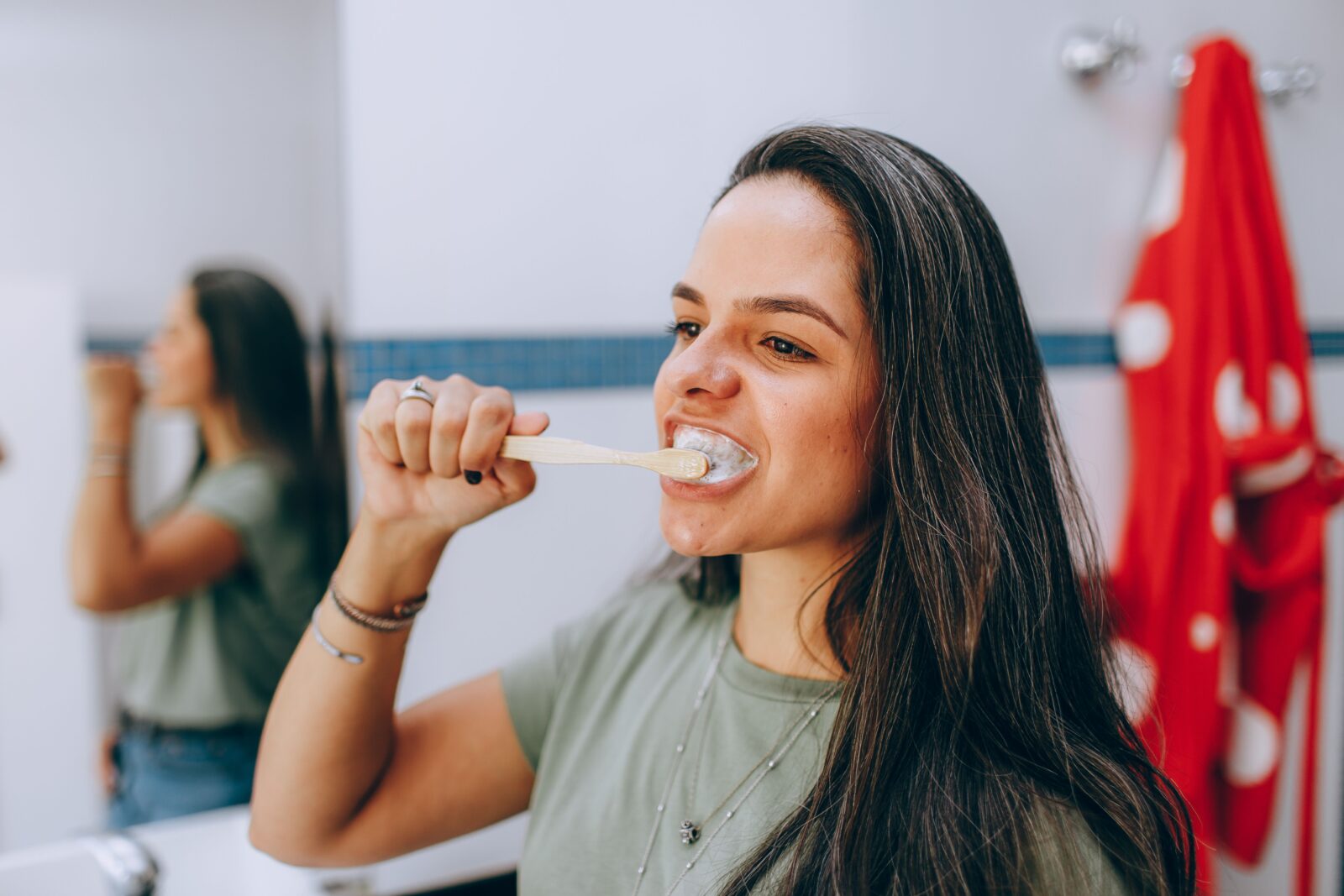
Stack brushing onto your medication
You already take your medication every morning. Keep your toothbrush right next to it and brush straight after. One cue, two habits.
Make everything visible
Out of sight really is out of mind. Keep floss picks and a tongue scraper on the counter, not in a drawer. If you can see them, you are far more likely to use them.
Use a timer that does the thinking
An electric toothbrush with a built-in two-minute timer removes the guesswork. Play one song and brush until it ends.
Have a bare-minimum version
On exhausting days, do the minimum: brush, scrape your tongue and use one floss pick on your back teeth. Something every night beats perfect twice a week. Our daily routine to stop bad breath sets out the full version for good days.
Move your night routine earlier
If you always crash before brushing, do it right after dinner instead. Then the only thing left at bedtime is the step that takes thirty seconds.
Why your breath still smells when you do everything right
Many people on stimulants drink more water, brush more often and still notice the stale smell coming back by the afternoon.
That is because brushing and rinsing remove bacteria, but they do not change which bacteria grow back. After weeks of dry hours, odor-producing species can become the dominant group, and they repopulate the tongue and gumline first.
Strong mouthwash often makes this worse. It dries the mouth and wipes out helpful bacteria too, as we compare in oral probiotics vs mouthwash.
Where an oral probiotic fits
An oral probiotic works on the part water and brushing cannot reach. Instead of trying to kill bacteria, it adds beneficial strains that settle on the tongue, gums and teeth and compete with the odor-producers for space and food.
Over time, that can shift which bacteria take over during the dry hours your medication creates. It is also a simple, one-step habit, which matters when long routines are the hard part.
Three honest points. It needs to be an oral probiotic that dissolves slowly in your mouth, because a gut capsule passes straight through, as explained in gut probiotics vs oral probiotics. It works over weeks, as set out in how long oral probiotics take to work. And it works alongside your routine and your dentist, never instead of them.
See the Oral Probiotic We Recommend →
Teeth grinding and bad breath on stimulants: when to see a dentist
Teeth grinding and bad breath on stimulants often show up in the same people. The Oral Health Foundation notes that grinding and clenching are common with ADHD. Grinding does not cause bad breath by itself, but it wears enamel, and combined with a dry mouth it raises the risk of cavities and gum problems.
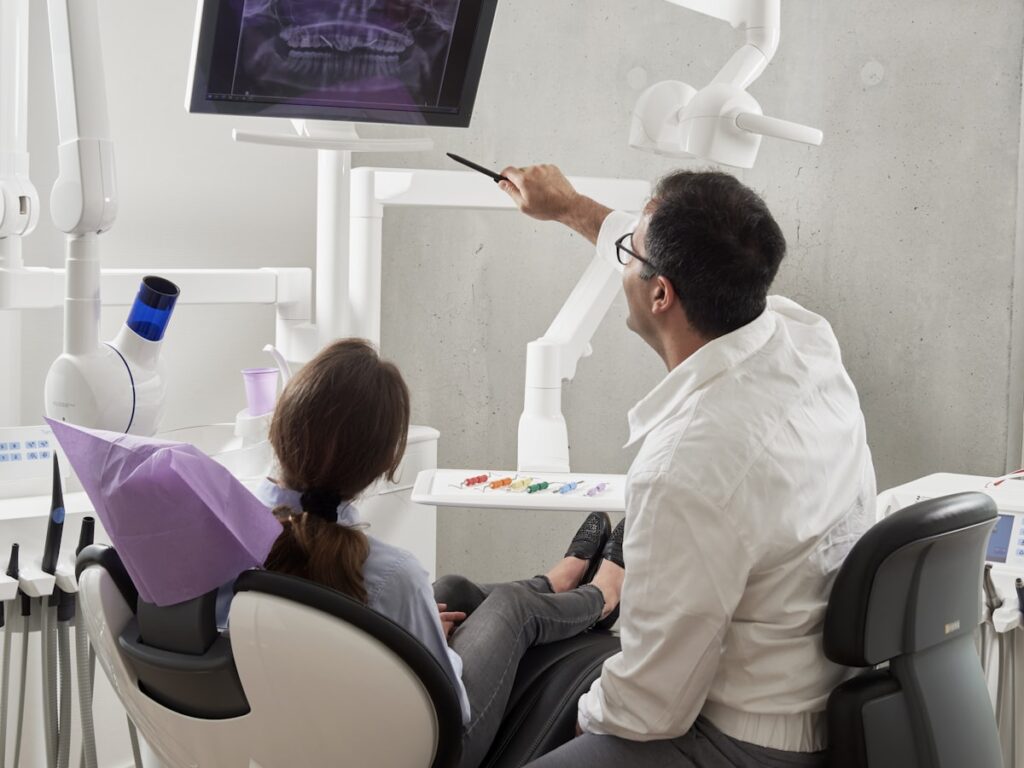
Tell your dentist you take a stimulant, so they can watch for dry mouth damage. Book a check if you notice:
- Bad breath that lasts all day, every day, even with good habits
- Gums that bleed, look swollen or seem to be pulling back
- Jaw pain, headaches on waking or teeth that look flat or chipped
- New sensitivity, tooth pain or a bad taste that will not leave
A dry mouth raises cavity risk too, which is covered in oral probiotics for cavities. If it has been a while since your last visit, too embarrassed to go to the dentist explains what actually happens at that first appointment back.
Start Your Fresh Breath Routine Today →
You do not have to choose between focus and fresh breath
Your medication is helping you live the life you want. Keep it. Give your mouth what the medication takes away: water, a few easy habits that run on autopilot and a healthier balance of bacteria.
Do that, and you can lean in during the meeting, laugh with your friends and talk up close without that flash of worry.
ADHD medication and bad breath: frequently asked questions
Can ADHD medication cause bad breath?
It can contribute. Stimulant ADHD medications commonly reduce saliva, and saliva is what normally rinses away odor-causing bacteria. Skipped meals, less water, coffee and a harder-to-keep routine can add to it. The medication is rarely the direct cause; the dry mouth it creates is.
Does Adderall cause dry mouth and bad breath?
Dry mouth is one of the most common side effects listed for Adderall XR. In the adult clinical trial on its label, 35% of adults reported dry mouth compared with 5% on placebo. A dry mouth lets odor-producing bacteria multiply faster, which is why breath often gets worse as the day goes on.
How do I fix dry mouth from Vyvanse?
Keep water with you and sip through the day, chew sugar-free xylitol gum after meals, choose an alcohol-free mouthwash and eat something even when your appetite is low. If dry mouth is severe or constant, ask your prescriber or pharmacist about timing or other options. Never change your dose on your own.
Should I stop my ADHD medication because of bad breath?
No. Do not stop or change ADHD medication on your own. Bad breath from dry mouth is very manageable with water, a simple daily routine and steps that support a healthier balance of bacteria. If side effects bother you, talk to your prescriber.
Why is it so hard to keep up an oral care routine with ADHD?
ADHD affects executive function, which includes starting tasks, remembering routines and doing boring repetitive steps. That makes twice-daily brushing and flossing genuinely harder. It is not laziness. Linking brushing to something you already do, like taking your medication, makes it much easier.
Can an oral probiotic help with bad breath on stimulants?
An oral probiotic adds beneficial strains that settle on the tongue, gums and teeth and compete with odor-producing bacteria. It does not replace water, brushing or your dentist, but it can help change which bacteria take over during the dry hours stimulants create. Results build over several weeks.
Where to go from here
If another daily medication changed your breath too, our guide to bad breath on Ozempic or Mounjaro covers the same dry mouth problem from a different angle, and what to buy for bad breath compares your options over a full year.
And if you want to see the specific oral probiotic we recommend, the strains that matter for breath and gums, and how to take it, start at our oral probiotic Start Here guide.
Keep your focus. Get your fresh breath back.