Disclosure: This article is for general educational purposes and is not medical or dental advice. Some links are affiliate links, meaning we may earn a small commission at no extra cost to you if you choose to make a purchase. We only point readers toward things we genuinely believe can help.

Bad breath after drinking alcohol is not sitting on your teeth. Part of it is leaving through your lungs, part of it is a dried-out mouth, and part of it is a bacterial shift that outlasts the drink by a day or more. That is why brushing barely touches it.
You had three glasses of wine. You brushed properly before bed, which you were faintly proud of at the time. You brushed again in the morning, tongue included, and rinsed. And somewhere around ten o’clock you breathed out near your own hand and there it still was.
So you reached for a mint, which lasted twenty minutes. Then coffee, which made it measurably worse. By lunchtime you were angling your head away from a colleague who had done nothing to deserve it, working out how long you had to keep your distance and whether anyone had already noticed.
The frustrating part is that you did everything you were supposed to do. You cleaned the surface the smell appears to be coming from, twice, and it changed almost nothing.
That is because you were cleaning the wrong place.
Why brushing does not fix bad breath after drinking alcohol
Alcohol breath has three separate sources, and only one of them is on your teeth. This is the piece almost nobody explains, and it is the reason your usual routine underperforms so badly the morning after.
1. It is coming out of your lungs
When you drink, ethanol is absorbed into your bloodstream and travels everywhere your blood goes, including the small vessels lining your lungs. A portion of it crosses into the air in your lungs and leaves on every breath you exhale. This is not a theory, it is the entire principle a breathalyser works on.
Your liver breaks the rest down, and the first product it makes is acetaldehyde, a sharper and more unpleasant compound than ethanol itself. That is also partly exhaled. So for as long as there is alcohol in your system being processed, your breath carries the evidence, and no toothbrush reaches your bloodstream.
2. Your mouth is dry, and staying dry
Alcohol suppresses the hormone that tells your kidneys to conserve water, which is why you spend the evening going to the bathroom and wake up dehydrated. Saliva production falls with everything else.
This is the mechanism that matters most, because saliva is not just moisture. It rinses away food debris and dead cells, buffers acid, and carries oxygen into your mouth. The bacteria responsible for the worst-smelling breath are anaerobes, meaning they flourish precisely where oxygen is scarce. Take saliva away for eight hours while you sleep, usually with your mouth open, and you have built them an ideal night. It is the same underlying process described in dry mouth and the oral microbiome, compressed into a single evening.
3. You fed the wrong bacteria
Most alcoholic drinks arrive with sugar attached. Mixers, cocktails, cider, sweet wine, and to a lesser extent beer, all supply fermentable carbohydrate directly to the bacteria in your mouth at the exact moment your saliva has stopped clearing it away.
See What Changes the Bacterial Balance →
How long does alcohol breath last?
Two different clocks are running, and confusing them is why people think theirs is unusually bad.
The systemic clock is the alcohol itself leaving your body. A healthy adult processes roughly one standard drink per hour, and that is not something you can speed up. Coffee, cold showers, food and water do not accelerate it. Four drinks means roughly four hours before your bloodstream is clear, and the exhaled component fades with it.
The oral clock runs considerably longer, and this is the one nobody warns you about. The bacterial population that expanded overnight in a dry mouth does not pack up when the alcohol clears. It stays busy. The dryness itself can persist most of the following day if you are still under-hydrated. That is why hangover breath that will not go away is a real and separate phenomenon rather than you imagining things at 2pm.
For most people the honest answer is: the alcohol component clears within several hours of your last drink, and the oral component takes most of the next day, longer if you slept badly with your mouth open.
One thing worth stating plainly, because it is the reason a lot of people land on pages like this one. Nothing here masks alcohol for a breathalyser. Mints, gum, mouthwash and coffee do not lower the alcohol in your breath, because that reading comes from your bloodstream. Some mouthwashes contain alcohol and can briefly make a roadside reading worse. If you have been drinking, do not drive.
Why does wine give me bad breath specifically?
Wine gets singled out constantly, and for once the reputation is deserved. Four things stack up.
It is acidic. Most wine sits somewhere around pH 3 to 4, which is comfortably acidic enough to temporarily soften enamel and lower the pH of your whole mouth. A more acidic mouth favours acid-tolerant species, which skews the population in exactly the wrong direction.
Tannins dry your mouth directly. That puckering sensation from red wine is tannins binding to proteins in your saliva. It is a local drying effect layered on top of the systemic dehydration.
It stains, and stained surfaces hold more. Red wine pigments settle into the roughened enamel surface and along the gum line, and a rougher surface gives bacteria more to grip.
Sugar, in a lot of wine. Even drier wines carry residual sugar, and sweet and sparkling wines carry considerably more.
The same logic explains why the second most common complaint is about beer and cider, which are lower in alcohol but higher in fermentable carbohydrate. Different route, same destination. If you want to identify what you are actually smelling, what different bad breath smells mean breaks the compounds down.
Hangover breath that will not go away: the part that outlasts the drink
Here is where a single night stops being the whole story.
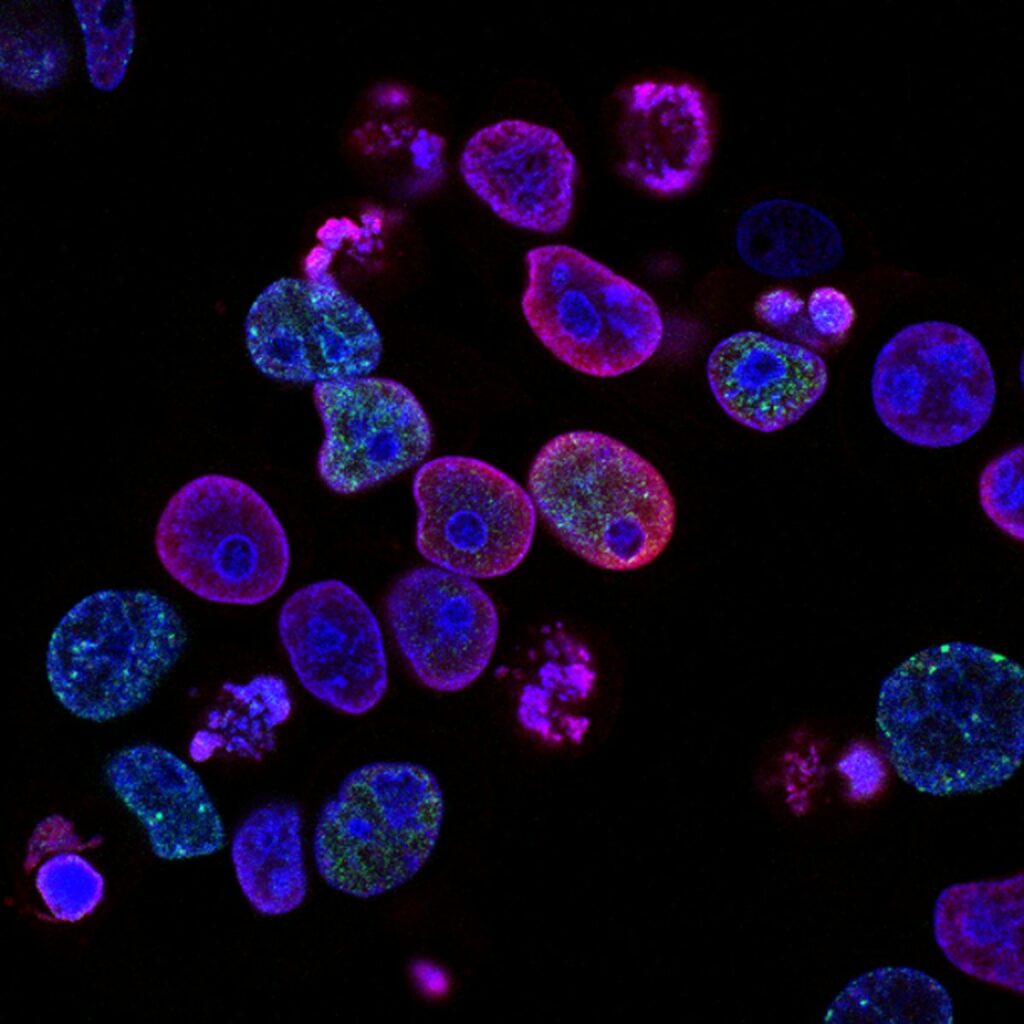
Your mouth holds several hundred bacterial species in ongoing competition for surface area and nutrients. Beneficial species and odour-producing species occupy the same ground, and which group dominates determines whether your breath is fine by default or a daily management problem.
Alcohol pushes that balance. Research on the oral microbiomes of regular drinkers has found measurably different bacterial profiles compared with non-drinkers, with a shift towards some species and a reduction in others, including a decrease in the Lactobacillales group that tends to be protective. A heavy night does this temporarily. A regular habit does it persistently.
There is a second finding worth knowing, and I would rather you heard it here than nowhere. Certain oral bacteria convert ethanol into acetaldehyde directly inside your mouth, and acetaldehyde is a recognised carcinogen. The bacterial composition of your mouth genuinely influences how much of it forms locally. That is not an argument about your breath, it is a reason to take the bacterial side seriously in its own right.
So if your breath has slowly got worse over years of ordinary social drinking rather than just the morning after a big night, that is not your imagination either. The population shifted, and populations do not revert on their own.
What actually clears it: the night-of protocol
Almost everything useful happens before you go to bed. The morning is damage control.
Drink water alongside, not afterwards
A glass of water between drinks does more than the same water consumed at 1am. You are trying to prevent the saliva drop rather than reverse it. This is the single highest-return habit available and almost nobody does it consistently.
Do not go to bed without cleaning your tongue
Brushing is the part people manage. Scraping is the part that matters, because the back third of the tongue holds the largest bacterial reservoir in your mouth and a toothbrush barely touches it. You are clearing that population immediately before eight undisturbed hours in which it would otherwise multiply freely.
Skip the mouthwash, especially tonight
This is the counterintuitive one. Most rinses are alcohol-based, which dries an already dry mouth further, and antibacterial formulas suppress the beneficial species alongside the harmful ones, with the harmful ones recolonising faster. Using mouthwash after drinking is close to the worst available move, and the fuller version of that problem is in oral probiotics vs mouthwash. Plain water or a warm salt rinse instead.
Water by the bed
If you wake in the night, drink. Overnight is when the damage compounds, and this is the same overnight mechanism that makes morning breath so bad even on a sober night.
In the morning
Water before coffee, and water after it. Coffee on a dehydrated mouth is a genuinely bad combination: acidic, drying, and it leaves residue on the tongue, which is why coffee makes breath worse on an ordinary day, let alone this one. Then scrape again, eat something that requires chewing, and give it time.
Where an oral probiotic fits, and where it does not
Everything above manages one night. None of it changes which species dominate your mouth, and that is what determines whether you wake up with a mild staleness that clears by nine or something that follows you to lunch.
An oral probiotic works on that layer. It introduces beneficial strains that colonise the same surfaces the odour-producing species occupy and compete with them for space and nutrients, shifting the balance rather than temporarily reducing numbers. That is a different job from rinsing, and it is the job nothing else in your bathroom is doing.
Two honest limits, because both matter here.
It does nothing about the alcohol leaving your lungs. That component is systemic and it clears on its own schedule. Nothing you put in your mouth touches it.
It is not a same-night fix. You are waiting on a bacterial population to shift, which runs on weeks, not hours, as set out in how long oral probiotics take to work. Taking one the morning after a party will not rescue that morning.
What it does address is the baseline you drink on top of. A mouth with a healthy competitive population recovers from a night out faster and starts from a better place. A depleted one does not, which is why two people can drink the same amount and only one of them is still dealing with it at 3pm. Worth knowing too that the strains have to be oral ones, since gut probiotics pass straight through and do nothing here, as explained in gut probiotics vs oral probiotics.
See the Oral Probiotic We Recommend →
When it is not really about the drinking
If your breath is poor on days you have not been drinking at all, alcohol is aggravating something rather than causing it. Worth ruling out rather than assuming.
Persistent bleeding gums, gums pulling back from the teeth, a tooth that feels loose, ongoing pain, or an odour that is genuinely foul rather than stale all warrant a dental appointment rather than a better night-out routine. Gum disease is painless until it is advanced, which is exactly why it goes unnoticed for years, and what your pocket depths mean is covered in the early gum disease window.
And one thing said plainly and without lecture: if drinking is happening more often than you would like, or you are reading this because it has become a regular morning, that is worth a conversation with your doctor. It is a more useful thing to fix than the breath, and they will have heard it many times before.
Frequently asked questions
How long does alcohol breath last after drinking?
Two clocks run at once. The alcohol leaving your bloodstream and lungs clears at roughly one standard drink per hour and cannot be sped up. The oral side, caused by reduced saliva and the bacterial activity that follows, commonly lasts most of the next day and longer if you slept with your mouth open or remain dehydrated.
Why is my breath still bad after brushing the morning after?
Because two of the three sources are not on your teeth. Any remaining alcohol is being exhaled from your bloodstream, and the overnight bacterial activity came from a mouth with almost no saliva in it. Brushing addresses the surfaces, which is the smallest part of the problem on that particular morning.
Does alcohol cause dry mouth and bad breath?
Yes, and the dry mouth is the main route. Alcohol suppresses the hormone that helps your body retain water, so saliva production drops. Saliva normally rinses debris, buffers acid and carries oxygen, and the bacteria that produce the worst-smelling compounds are anaerobes that thrive when oxygen is scarce.
Which drinks are worst for your breath?
Sweet mixed drinks, cider and sweet or sparkling wine tend to be worst, because they combine alcohol with fermentable sugar. Red wine adds acidity, tannins that dry the mouth directly, and staining. Spirits taken neat carry no sugar but are higher in alcohol, so the dehydration effect is stronger per drink.
Will mints or mouthwash hide alcohol on my breath?
No. They briefly mask the smell for other people and do nothing to the alcohol itself, because that reading comes from your bloodstream rather than your mouth. Alcohol-based mouthwash can temporarily raise a roadside breathalyser reading. If you have been drinking, do not drive.
Can an oral probiotic help with alcohol breath?
Not on the night, and not for the part being exhaled from your lungs. Where it applies is the baseline you drink on top of, by supporting a bacterial population that competes with the odour-producing species. A mouth with a healthier balance recovers from a night out faster and starts from a better position.
Where to go from here
If you take one thing from this page, make it the glass of water between drinks and the tongue scraper before bed. Those two cost almost nothing and they address the mechanism that does most of the damage.
Beyond that, the question is what your mouth looks like on an ordinary day, because that is the baseline every night out lands on. Our daily routine to stop bad breath sets out the full sequence, and if you have already tried a probiotic without result, oral probiotics not working covers the handful of usage mistakes that quietly cancel the dose.
And if you want the underlying picture of how the oral microbiome actually works, along with the specific oral probiotic we recommend and the strains that matter, start at our Start Here guide.
The alcohol leaves on its own. What it left behind in your mouth is the part you can do something about.