Nobody warns you about this part.
You get braces, or start aligners, or are handed a retainer at the end of treatment — and a few weeks later your breath is noticeably worse than it has ever been. Your hygiene has not slipped. If anything you are being more careful than before, because you were told to be. And yet there it is.
This is one of the most common and least discussed side effects of orthodontic treatment, and the mechanism is completely predictable once you understand it. It is also fixable without abandoning the treatment.
Disclosure: This article is reader-supported. If you buy through links on this page, we may earn a commission at no additional cost to you. This never affects the information we share.
🧴 See What Rebalances the Bacteria →
Why Do My Aligners Smell Bad?
Because you have built the ideal habitat for the exact bacteria that produce odour, and you are wearing it twenty-two hours a day.
The bacteria responsible for bad breath are anaerobic — they thrive specifically where oxygen cannot reach. Under normal conditions, saliva and airflow keep most tooth surfaces reasonably oxygenated and continuously flushed, which limits how far those species can spread. A clear aligner removes both defences at once. It seals the tooth surface against air. It blocks saliva from washing across the teeth. And it holds everything at body temperature for hours at a stretch.
That is not a hygiene failure. That is a sealed, warm, moist, low-oxygen chamber, and it is exactly what those species need.
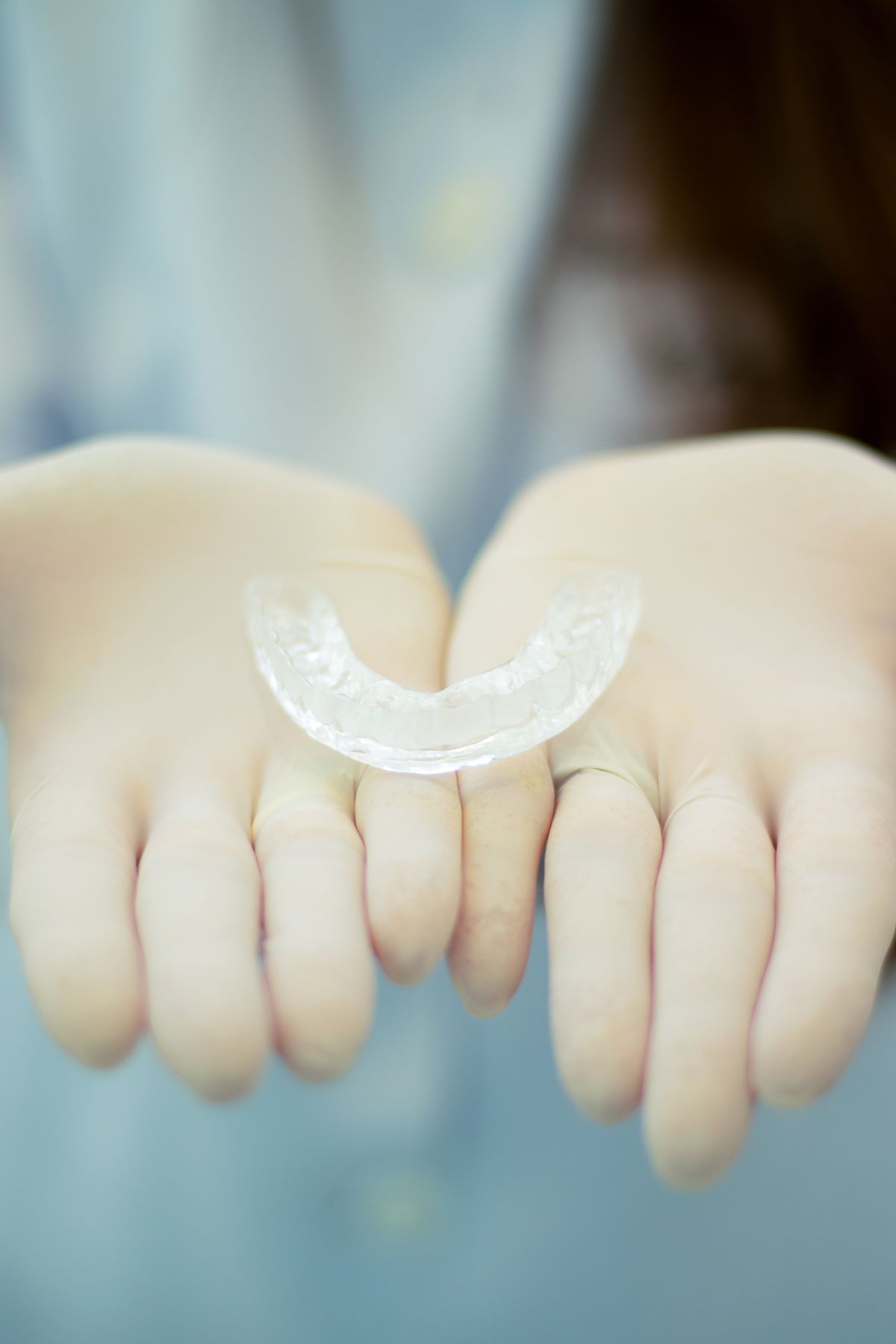
The aligner itself then becomes a second problem. The plastic develops a biofilm — a slick bacterial layer you can feel with your tongue when it has been on too long. Rinse it under the tap and the biofilm stays; it needs to be physically disrupted, not just wetted.
If you have noticed the smell is worst first thing in the morning or right after removing a tray, that is the accumulated output being released all at once. Our explanation of why morning breath is so bad covers the same mechanism in a different setting.
How to Stop Bad Breath With Braces
Fixed braces create a different problem from removable trays, and it is worth treating separately.
Brackets and wires create dozens of new surfaces and sheltered corners that a toothbrush cannot properly reach — around each bracket, under the archwire, along the gumline where the bracket meets the tooth. Food debris collects in those spaces, and the bacteria that break it down are the ones producing the smell.
Get an interdental brush. This is the single most valuable tool for anyone in fixed braces. The small tapered kind slides under the archwire and around each bracket where a normal brush simply cannot go. Use it once daily and you will remove considerably more than brushing alone.
Use a floss threader or orthodontic floss. Flossing with braces is genuinely annoying and most people quietly stop. The between-tooth spaces are low-oxygen environments where anaerobic bacteria concentrate, so skipping this leaves a significant reservoir untouched.
Rinse with water after every meal, not just at brushing time. Ten seconds of vigorous swishing dislodges a surprising amount from around brackets. This is the highest-return habit for anyone in fixed appliances.
Watch your gumline for swelling or bleeding. Braces make gum inflammation considerably more likely, and inflamed gums bleed, and blood in the mouth is a protein source that feeds the odour-producing species directly. If your gums bleed when you brush, mention it at your next adjustment.
Keep brushing gentle. The instinct with braces is to scrub harder because there is more to clean. That irritates the gums and makes the bleeding problem worse.
✅ Discover the Bacterial Root of the Problem →
Do Retainers Cause Bad Breath?
They can, and the reason is usually that retainers get cleaned far less carefully than aligners do.
An aligner is replaced every week or two, so any buildup is temporary by design. A retainer is the same piece of plastic for years. Whatever accumulates on it, stays on it, and gets pressed against your teeth every night indefinitely.
The warning signs are worth knowing. A cloudy or filmy appearance rather than clear plastic. White chalky patches, which are mineral deposits from saliva that bacteria then colonise. A persistent smell on the retainer itself even after rinsing. A slippery feel when you run a finger over it. Any of those means there is established biofilm, and rinsing will not remove it.
The same applies to night guards, which have an additional problem: they are worn during the hours when saliva production is at its lowest, so there is even less natural flushing than with a daytime appliance.
How to Clean a Night Guard Properly
Most people rinse and put it away. That is not cleaning, and it is why so many appliances develop a permanent smell.
Rinse immediately on removal, before anything dries. Debris that dries onto plastic is dramatically harder to shift.
Brush it with a soft brush and plain water — never toothpaste. This surprises people. Toothpaste is mildly abrasive and creates microscopic scratches in the plastic, and those scratches are where biofilm anchors. A dedicated soft brush kept separate from your toothbrush is ideal.
Soak it several times a week. White vinegar diluted half and half with water for fifteen to twenty minutes, or a denture cleaning tablet, or a retainer-specific cleaner. This is the step that actually disrupts biofilm rather than just rinsing over it.
Let it dry completely before storing. A damp appliance in a closed case is a bacterial incubator. Air-dry it fully first.
Never use hot water. It warps the plastic and ruins the fit, which is an expensive mistake.
Clean the case too. The case is often filthier than the appliance, and putting a clean guard into a dirty case undoes the work. Wash it weekly.
🧬 The Approach That Targets the Source →
How to Stop Denture Bad Breath
Dentures bring their own version of the same problem, plus one that is specific to them.
The acrylic used in dentures is porous in a way that hard tooth enamel is not. Bacteria and odour compounds work into that surface over years, which is why an old denture can smell even immediately after cleaning. That is not a failure of effort — it is the material.
Clean them daily with a denture brush and a cleaner made for the purpose, not toothpaste, which scratches acrylic badly and makes the porosity problem worse. Soak overnight rather than leaving them dry, following whatever the manufacturer specifies.
Then — and this is the step most people skip — clean your mouth as well. Brush your gums, your palate, and your tongue with a soft brush every day, even with no natural teeth remaining. Bacteria live on soft tissue perfectly happily, and the back of the tongue is the largest reservoir in the mouth regardless of how many teeth are present.
Get the fit checked if things have changed. A poorly fitting denture creates gaps where debris collects and is a common reason a scrupulously cleaned appliance still produces odour.
Why Cleaning Alone Often Is Not Enough
Everything above physically removes bacteria. None of it changes which species dominate your mouth, and that distinction is the reason many people plateau.
Wearing an appliance for months or years does not just add a surface to clean — it shifts the bacterial balance. The environment has been consistently favouring anaerobic species, and populations respond to environments. Once that shift has happened, meticulous cleaning reduces the population temporarily and it rebuilds, because the underlying balance still favours the species you do not want. That is the same pattern described in why breath still smells after brushing and flossing.
What changes the balance is competition rather than cleaning. Oral probiotics introduce beneficial strains — Streptococcus salivarius K12 and M18 principally — that colonise the same tissue the odour-producing species occupy and compete with them directly for space and nutrients. K12 produces bacteriocins, natural antimicrobial compounds that specifically suppress sulfur-producing bacteria. M18 breaks down the biofilm those colonies shelter inside, which is directly relevant when biofilm on plastic is part of your problem. The research is covered in whether oral probiotics actually work.
Timing matters more than usual here. Take the lozenge at night, after your appliance is out and your teeth are brushed, and leave your mouth alone for thirty minutes before putting a retainer or night guard back in. Taking it with a tray in place wastes it — the beneficial strains need contact with your actual tissue to colonise. Our guide to the best probiotics for oral health explains why the strain on the label matters more than anything else on it.
⚡ Rebalance the Bacteria, Not Just the Symptom →
What Not to Do
Several instinctive responses make appliance-related bad breath worse.
Toothpaste on plastic. Worth stating once more because almost everyone does it. It scratches, and scratches hold biofilm permanently.
Alcohol mouthwash. It dries the mouth, and saliva is already restricted by the appliance, so you are compounding the exact deficit causing the problem. It also kills beneficial bacteria alongside harmful ones. The mechanism is in oral probiotics versus mouthwash.
Wearing aligners while drinking anything but water. Coffee, juice, and fizzy drinks under a tray bathe your teeth in sugar and acid with no saliva able to flush it. This is one of the most damaging habits in aligner treatment and one of the most common. Coffee in particular is worth being strict about.
Skipping wear time to reduce the smell. Understandable and counterproductive — it extends treatment and does not address the cause.
Hot water or boiling to sterilise. Warps the appliance and ruins the fit.
How Long Before This Improves
The cleaning changes show fast. Better appliance hygiene and post-meal rinsing produce a noticeable difference within days, and if biofilm on the plastic was the main issue, a proper soak can resolve much of it almost immediately.
The bacterial shift takes four to eight weeks of daily consistency, as our week-by-week guide sets out. That timeline holds regardless of motivation, because you are changing which species hold territory in a living ecosystem.
One thing specific to appliance wearers: treat this as ongoing rather than a fix. As long as you are wearing something for hours a day, the environment keeps favouring anaerobic species. The counterbalance needs to continue for as long as the appliance does. And if you have been dealing with this for a long time already, what you have is chronic bad breath with a bacterial cause rather than a cleaning failure.
Also mention it at your next appointment. Persistent bad breath during orthodontic treatment can indicate gum inflammation or early decay around brackets, and both need professional attention rather than a better routine.
🎯 Start Fixing the Cause Tonight →
Frequently Asked Questions About Bad Breath From Braces and Aligners
Why do my aligners smell bad even after rinsing?
Because rinsing wets biofilm rather than removing it. Biofilm is a bacterial layer that adheres to plastic and needs physical disruption — a soft brush with plain water, plus a soak in diluted white vinegar or a cleaning tablet several times a week. If the plastic looks cloudy or feels slippery, that is established biofilm and rinsing will not touch it.
How do I stop bad breath with braces?
An interdental brush daily to reach around brackets and under the archwire, a floss threader for between teeth, and a ten-second water rinse after every meal rather than only at brushing time. Keep brushing gentle, because braces already raise gum inflammation risk and bleeding gums feed the odour-producing bacteria.
Do retainers cause bad breath?
They can, mainly because a retainer is the same piece of plastic for years while aligners are replaced regularly. Buildup accumulates and gets pressed against your teeth nightly. Cloudy plastic, white chalky patches, or a slippery feel all indicate biofilm that needs soaking rather than rinsing.
Can I use toothpaste to clean my retainer or night guard?
No. Toothpaste is mildly abrasive and creates microscopic scratches in the plastic, and biofilm anchors in those scratches permanently. Use a soft brush with plain water, then soak in diluted white vinegar or a purpose-made cleaner.
How do I stop denture bad breath when I clean them daily?
Clean your mouth as well as the denture — gums, palate, and especially the tongue, every day, even with no natural teeth. The back of the tongue is the largest bacterial reservoir in the mouth regardless. Also have the fit checked, since gaps collect debris, and remember that acrylic is porous, so an old denture can hold odour permanently.
Will this go away when my treatment ends?
Partly. Removing the appliance restores normal airflow and saliva flow, which helps considerably. But if the bacterial balance has already shifted after months or years of wear, it does not automatically reset — which is why addressing the bacteria directly matters rather than waiting it out.
If you want the full picture of how oral bacteria affect your breath, gums, and confidence, start with our Start Here guide to oral probiotics.