Disclosure: This article is for general educational purposes and is not medical or dental advice. Some links are affiliate links, meaning we may earn a small commission at no extra cost to you if you choose to make a purchase. We only point readers toward things we genuinely believe can help. Talk to your doctor before starting any supplement, especially if you have a health condition.
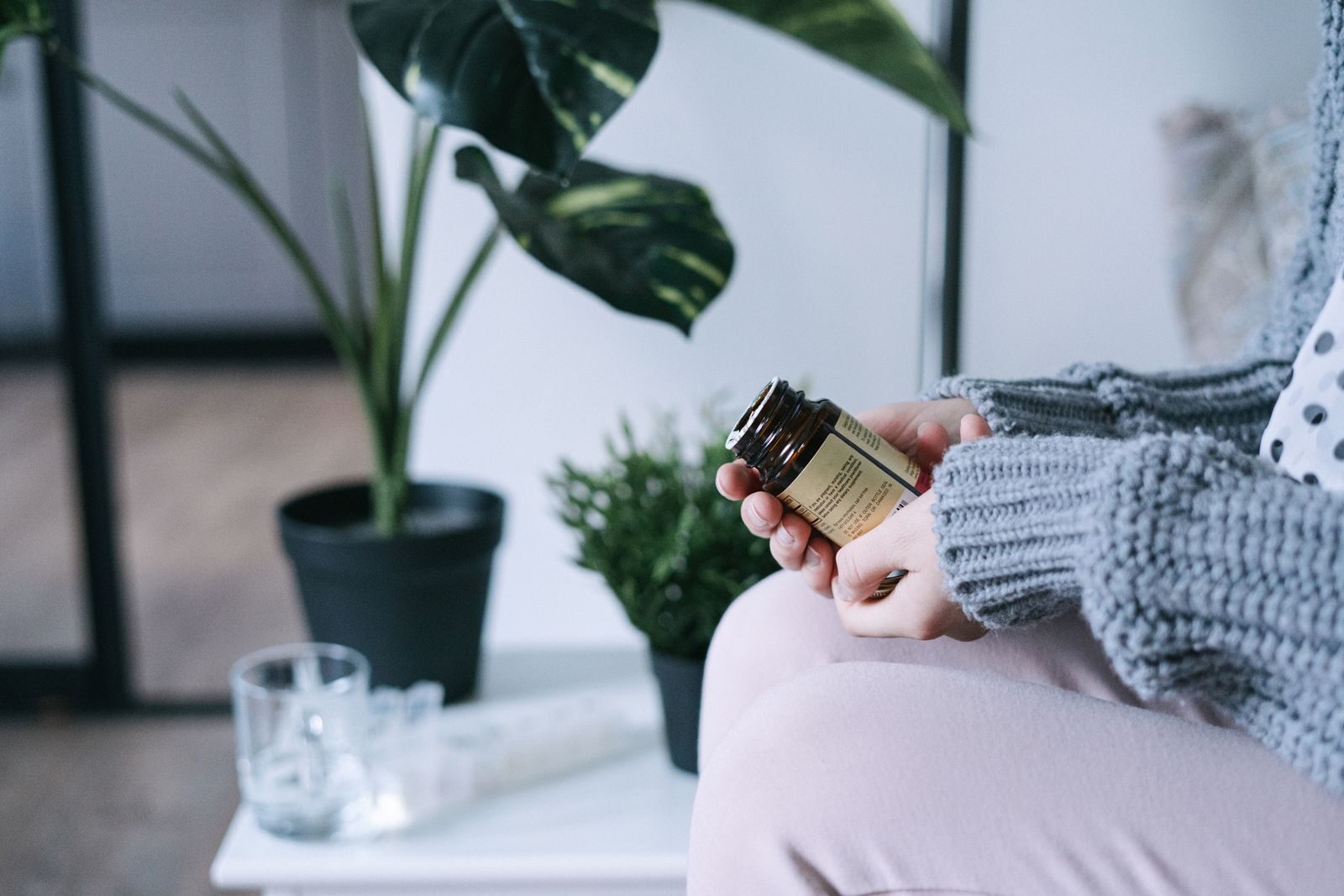
Oral probiotics are generally considered safe for healthy adults, and most side effects are mild. But they are not right for everyone. Here is what to expect in the first weeks, who should ask a doctor first, and how to start the right way.
You have read about oral probiotics. You understand the idea. Good bacteria that crowd out the bad ones causing your breath.
You are close to trying one. And then the doubt kicks in.
Is it actually safe to put live bacteria in my mouth every night? What if it upsets my stomach? What if it makes my breath worse? What if I am one of the people who should not take it?
Those are good questions. Anyone who tells you a supplement is perfect for everyone is not being straight with you. So here is the honest version, built on what the research and health authorities actually say.
Are oral probiotics safe to take?
For most healthy adults, the evidence is reassuring.
The National Center for Complementary and Integrative Health (NCCIH), part of the NIH, says probiotics have an extensive history of apparently safe use, particularly in healthy people. It also notes, fairly, that there is a lack of solid information on how often side effects happen and how severe they are.
Oral probiotics have one extra point in their favor. The strains used for breath are usually ones already found in healthy mouths.
Take Streptococcus salivarius, the species behind the best-known breath strains, K12 and M18. A safety assessment published in Applied and Environmental Microbiology describes it as a prominent member of the oral microbiota of healthy humans, and notes that it is closely related to a harmless bacterium used to make yogurt. At the time of that study, K12 had already been used commercially for five years in New Zealand, with about 150,000 doses given.
In other words, you are not adding something foreign to your mouth. You are adding more of something that healthy mouths already have.
That does not mean “safe for everyone, no questions asked.” It means that for a healthy adult, the risk is low and the side effects, if any, tend to be mild.
See the Oral Probiotic We Recommend →
Oral probiotic side effects to expect
Most people notice nothing at all, apart from their breath slowly improving over the following weeks. When side effects do show up, they are usually small.
Common and mild
Cleveland Clinic lists bloating, gas and an upset stomach as probiotic side effects that usually do not need medical attention. It says to tell your care team if they continue or bother you.
These tend to settle as your body adjusts. Because oral probiotics are designed to work in your mouth rather than your gut, many people never notice them at all.
Check the other ingredients
Many oral probiotics come as chewables or lozenges sweetened with sugar alcohols such as xylitol. These are good for teeth, but a lot of them at once can loosen some people’s stools. Stick to the dose on the label.
What a normal first month looks like
It helps to know what “working” feels like, so you do not mistake a slow start for a problem.
Week 1: Usually nothing dramatic. You may notice a mild taste from the lozenge itself and not much else. That is normal.
Weeks 2 to 3: Some people notice mornings feel a little less stale and the fresh feeling after brushing lasts longer into the day.
Week 4 and beyond: This is the fair point to judge it. Compare how your breath is now with how it was before you started, not with a perfect mouth.
If you feel genuinely unwell at any point, that is not part of the adjustment. Stop and check with your doctor.
Rare, and worth acting on
Cleveland Clinic says to report signs of an allergic reaction as soon as possible. That means a skin rash, itching, hives, or swelling of the face, lips, tongue or throat. Swelling of the lips, tongue or throat, or any trouble breathing, is an emergency. Stop the supplement and get help right away.
Who should not take oral probiotics without asking a doctor first
This is the section most supplement sites skip. It is the most important one on this page.
NCCIH says the risk of harmful effects from probiotics is greater in people with severe illnesses or weakened immune systems. It advises talking to a health care provider before starting a probiotic supplement, especially if you have health problems.

Check with your doctor first if any of these apply to you:
- A weakened immune system. For example, if you are having chemotherapy, have had an organ transplant, or take medicines that suppress your immune system.
- A serious illness, or you are currently in the hospital.
- Pregnancy or breastfeeding. Cleveland Clinic lists both as things to tell your care team before starting a probiotic. If your breath changed during pregnancy, our guide to pregnancy and postpartum bad breath covers what is behind it.
- Allergies to any medicine, supplement, food, dye or preservative.
- Any ongoing health condition or regular medication.
For babies, especially premature babies, probiotics are a doctor-only decision. NCCIH reports that in 2023 the FDA warned that premature infants given probiotics are at risk of severe, potentially fatal infections. For older children, follow the label and ask your pediatrician.
If none of these apply, you are in the group for whom probiotics have the best safety record.
Check If It Is Right for You →
Can oral probiotics make bad breath worse?
This is one of the biggest worries people have, and there is no good evidence that oral probiotics make breath worse.
When someone feels like their breath got worse, it is usually one of these:
- They are still using a strong antiseptic mouthwash. It does not tell good bacteria from bad, so it can wipe out the strains you are adding. We explain this in oral probiotics vs mouthwash.
- They skipped cleaning their tongue. In one trial summarized in a review of probiotic studies, K12 did not improve breath caused by tongue coating when the coating was not removed first. Scrape first, then take the probiotic. If your tongue looks coated, read why is my tongue white.
- They judged it too soon. The bacteria in your mouth take weeks to shift, not days. Our week-by-week guide to how long oral probiotics take to work shows a realistic timeline.
- They swallowed it. A capsule you swallow goes to your gut and does nothing for your breath, as explained in gut probiotics vs oral probiotics.
The rest of the common mistakes are covered in oral probiotics not working.
Quality matters: what to check on the label
Part of safety is the product itself. NCCIH points out that probiotics sold as dietary supplements do not need FDA approval before they are marketed. It also reports that some probiotic products have been found to contain microorganisms other than those on the label.
That is not a reason to avoid oral probiotics. It is a reason to be picky. Look for:
- Named strains, not just a species. Strain names such as K12 or M18 show the maker knows exactly what is inside. Our guide to the right strains for fresh breath and healthy gums explains why this matters.
- A format that dissolves in your mouth, such as a chewable or lozenge.
- No added sugar, which would feed the bacteria you are trying to crowd out.
- Clear dosing and contact details from the maker.
For a full checklist, see best probiotics for oral health.
How to start taking oral probiotics
If you are a healthy adult and your doctor has no concerns, here is the simplest way to start.
- Read the label first. Check the strains, the dose and the other ingredients.
- Clean your mouth at night. Floss, brush and scrape your tongue, so the new strains are not landing on an old coating.
- Take it last thing before bed. Let it dissolve slowly instead of swallowing it. Saliva flow drops overnight, which gives the strains more time in contact with your tongue and gums.
- Do not rinse straight after. And swap any strong antiseptic mouthwash for water or an alcohol-free rinse.
- Give it at least 30 days. Judge it at the end of the month, not after three days.
- Track it honestly. Use a simple test from our guide on how to tell if you have bad breath once a week, so you can see the change.

If you have just finished a course of antibiotics, this is an especially good time to start, because your mouth’s bacteria have been disrupted. See oral probiotics after antibiotics for why.
Start Your 30-Day Fresh Breath Plan →
What the research says about breath
Safety is only half the question. The other half is whether it is worth taking at all.
A 2025 systematic review of randomized controlled trials looked at probiotics for bad breath. It reported improvements in breath odor scores, particularly with Streptococcus salivarius K12 and another strain called Weissella cibaria. Several studies also found changes in the mouth’s bacteria that lasted after treatment ended.
The same review called for longer studies, so this is promising evidence rather than a guarantee. That matches what we tell readers across this site. An oral probiotic is not magic. It is a tool that works best alongside a good routine, which we lay out in the daily routine to stop bad breath.
When to stop and get help
Stop taking any oral probiotic and get medical help if you notice:
- Swelling of the lips, tongue, face or throat, or trouble breathing. Get emergency care right away.
- A rash, hives or itching after starting it. Stop and contact your doctor.
- Fever or feeling very unwell, especially if your immune system is weakened. Contact your doctor promptly.
- Stomach upset that does not settle or keeps bothering you.
And one more rule from NCCIH: do not use a probiotic as a reason to put off seeing a doctor or dentist about a health problem. If your bad breath comes with bleeding gums, tooth pain, a sore that will not heal or other new symptoms, get it checked.
Oral probiotic safety: frequently asked questions
Are oral probiotics safe to take every day?
For most healthy adults, yes. The NIH’s National Center for Complementary and Integrative Health says probiotics have a long history of apparently safe use in healthy people. People with weakened immune systems, serious illnesses, or who are pregnant or breastfeeding should ask a doctor first.
What are the side effects of oral probiotics?
Most people notice none. When side effects happen they are usually mild, such as gas, bloating or an upset stomach, and often settle as your body adjusts. Rarely, an allergic reaction can cause a rash, itching, hives or swelling, which needs medical attention.
Who should not take oral probiotics?
Ask a doctor before taking them if you have a weakened immune system, a serious illness, are pregnant or breastfeeding, have allergies to supplement ingredients, or have an ongoing health condition. Probiotics for babies, especially premature babies, are a decision for their doctor.
Can oral probiotics make bad breath worse?
There is no good evidence that they do. When breath seems worse, it is usually because an antiseptic mouthwash is wiping out the new strains, the tongue coating was not removed first, the probiotic was swallowed instead of dissolved, or it was judged too soon.
How long does it take for an oral probiotic to work?
The bacteria in your mouth take weeks to shift. Many people notice a difference within a few weeks, but it is best to take it consistently for at least 30 days before judging the result.
Can I take an oral probiotic with other medications?
Probiotics are generally low risk, but if you take any regular medication, especially medicines that affect your immune system, check with your doctor or pharmacist before starting one.
Where to go from here
If you want the bigger picture on whether oral probiotics are worth it, start with do oral probiotics actually work.
And if you are ready to see the specific oral probiotic we recommend, the strains inside and how to take it, head to our oral probiotic Start Here guide.
Being careful before you start is smart. For most healthy adults, the bigger risk is spending another year hiding your breath.