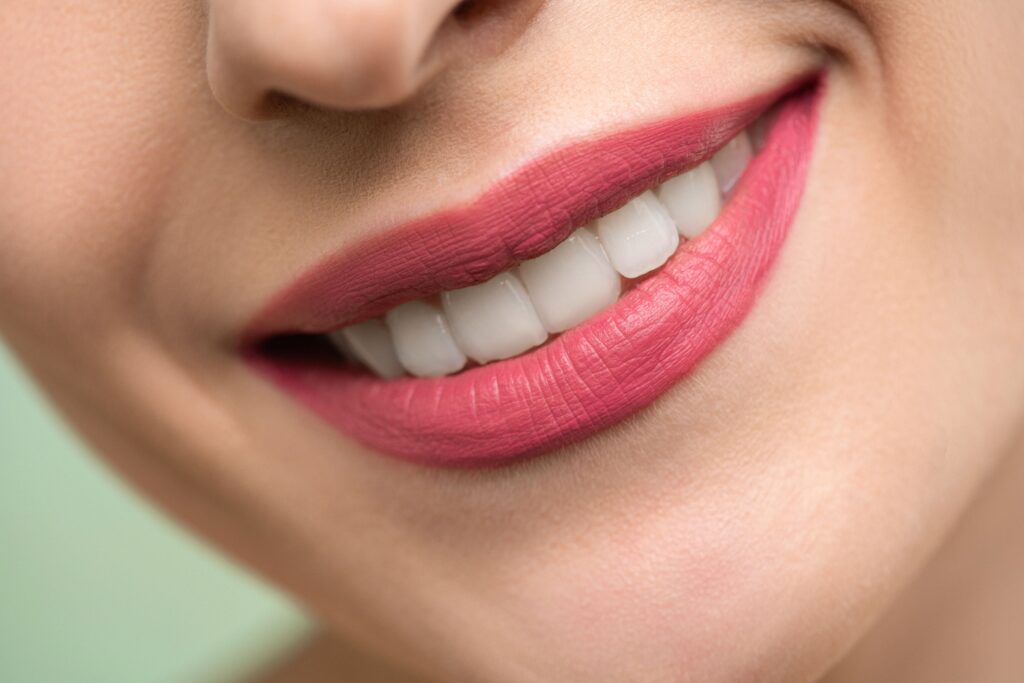
You brush twice a day, you floss, you cut back on sweets — and you still end up with a cavity at your next checkup. It is one of the most frustrating experiences in oral care, and it leaves a lot of people wondering what they are doing wrong. The answer is often nothing about effort. Cavities come down to a specific balance of bacteria and acid in your mouth, and some people are simply more prone to the bacteria that cause decay. That is why interest in oral probiotics for cavities has grown — the idea is to shift the bacterial balance in your favor, rather than only cleaning up after the damage is already underway.
Disclosure: This article is reader-supported. If you buy through links on this page, we may earn a commission at no additional cost to you. This never affects the information we share.
How Cavities Actually Form
A cavity is not something that simply appears — it is the end result of a process. Your mouth is home to many kinds of bacteria, and certain species, most notably Streptococcus mutans, thrive on the sugars and starches you eat. As these bacteria feed, they produce acid as a byproduct. That acid lowers the pH at the surface of your teeth and begins pulling minerals out of the enamel, a process called demineralization. In the early stages, saliva and minerals can repair some of this damage. But when acid attacks happen often enough — usually because decay-causing bacteria are plentiful and sugar is frequent — the enamel eventually breaks down and a cavity forms. The root of the problem is the bacteria and the acid they produce, not just whether you brushed today.
Why Brushing Alone Doesn’t Always Stop Cavities
Brushing and flossing are non-negotiable, but they have a limit. They remove plaque and food from the surfaces of your teeth, yet they do not change which bacteria dominate your mouth. If your oral microbiome is heavy on acid-producing species like S. mutans, those bacteria quickly rebuild after every cleaning and keep producing acid. This is part of why two people with similar habits can have very different cavity histories — the makeup of their oral bacteria is different. If you recognize several of the warning signs of an unbalanced oral microbiome, a bacterial imbalance may be quietly working against your enamel no matter how careful you are.
Who Is Most at Risk for Cavities?
Some people can eat dessert nightly and rarely get a cavity, while others do everything right and still struggle. A few factors raise your risk more than others. You may be more cavity-prone if you have a dry mouth — from medications, mouth breathing, or certain conditions — since less saliva means less acid-neutralizing protection. Frequent snacking, or sipping sugary and acidic drinks throughout the day, keeps your enamel under near-constant acid attack. Deep grooves in the back teeth, orthodontic braces, and crowded teeth create spots that are hard to clean. Acid reflux and a personal history of frequent cavities also raise your risk. Knowing where you fall helps you decide how aggressively to focus on prevention — and where an oral probiotic and better habits can help the most.
How Oral Probiotics May Help Protect Against Cavities
Oral probiotics approach cavities from a different angle than brushing or fluoride. Instead of only cleaning teeth or hardening enamel, they introduce beneficial strains that compete with decay-causing bacteria for space and nutrients. As those beneficial strains establish themselves, they can help crowd out acid-producing species and support a less acidic, more balanced environment on the teeth. Some strains have been studied specifically for their ability to reduce levels of Streptococcus mutans in the mouth. A more balanced mouth benefits both your enamel and your gum health, since the same imbalance that drives decay often irritates the gums. The goal is not to scrub away a cavity, but to make your mouth a less friendly place for the bacteria that cause them. For a broader look at the evidence, see our overview of whether oral probiotics actually work.
The Strains Studied for Cavity Protection
As with any oral probiotic, the specific strains determine whether a formula is genuinely useful for cavity support. The strains most relevant to protecting teeth include:
- Streptococcus salivarius (K12 and M18) — colonize the mouth and compete with decay- and plaque-associated bacteria.
- Lactobacillus reuteri — studied for its ability to reduce levels of Streptococcus mutans, a key cavity-causing species.
- Lactobacillus paracasei — studied for helping to bind and reduce S. mutans in the mouth.
- Lactobacillus rhamnosus — researched for its role in supporting a balanced oral environment.
A product that names these mouth-specific strains is far more likely to help than a generic blend. Our guide to how the right strains support fresh breath and healthy gums explains why the strain matters, and our broader guide to the best probiotics for oral health breaks down exactly what to look for on the label.
What Oral Probiotics Can — and Can’t — Do About Cavities
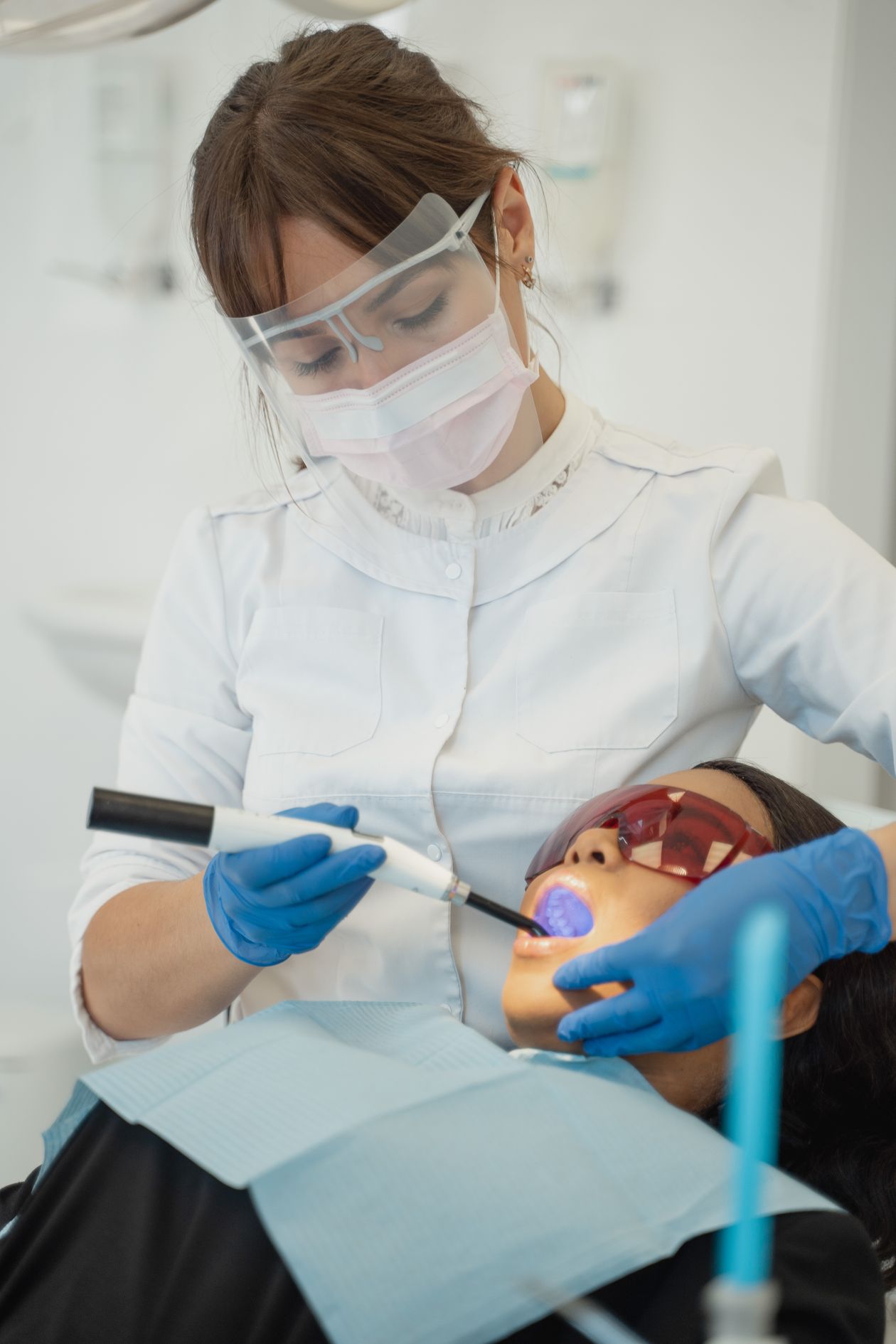
Honesty is important here. Oral probiotics may help reduce the population of decay-causing bacteria and support a healthier, less acidic environment, which over time can be part of a cavity-prevention strategy. What they cannot do is reverse a cavity that has already formed or replace professional dental treatment. Once decay has broken through the enamel, only a dentist can repair it — a probiotic will not refill or heal that damage. Nor should an oral probiotic replace proven tools like fluoride, which strengthens enamel directly. Think of oral probiotics as a preventive, supportive layer that works alongside good habits, fluoride, and regular dental care — not as a standalone cure for tooth decay.
Everyday Habits That Protect Against Cavities
An oral probiotic works best as part of a bigger picture. The habits that make the biggest difference for cavity prevention include:
- Limiting how often you eat sugar — frequency matters even more than quantity, because every sugar exposure feeds another acid attack. Constantly sipping sweetened drinks is especially hard on enamel.
- Using fluoride — in toothpaste and, where appropriate, other sources, to strengthen enamel against acid.
- Staying hydrated — saliva naturally neutralizes acid and helps repair early enamel damage, so a dry mouth raises cavity risk.
- Brushing and flossing consistently — to keep plaque and food from building up.
- Being mindful of what you eat — our guide to the best and worst foods for your oral microbiome shows which choices support your teeth and which feed decay.
How to Use an Oral Probiotic for Cavity Support
To get the most from an oral probiotic, take the lozenge at night after you have brushed, flossed, and rinsed, and let it dissolve slowly so the beneficial strains settle onto clean teeth. Avoid eating or drinking for about 30 minutes afterward. Because you are gradually changing a bacterial ecosystem, give it several weeks of daily, consistent use before expecting to notice a difference — our week-by-week guide on how long oral probiotics take to work explains what to realistically expect and when.
Early Signs a Cavity May Be Forming
Cavities do not appear overnight, and catching them early makes them far easier to manage. One of the first signs is a chalky white spot on the tooth, which reflects early loss of minerals from the enamel before an actual hole forms. At this stage, the damage can sometimes still be halted or partially reversed with better habits and fluoride. Other early clues include new sensitivity to sweet, hot, or cold foods, a rough or sticky spot you notice with your tongue, or a faint ache in one specific tooth. None of these guarantees a cavity, but each is worth mentioning to your dentist. The sooner early decay is caught, the more options you have to stop it from progressing.
When to See a Dentist
No probiotic replaces regular dental care. Keep up with routine checkups and cleanings, since a dentist can catch early decay before it becomes a painful problem and can treat cavities that have already formed. See a dentist promptly if you have tooth sensitivity, pain, visible pits or discoloration on a tooth, or a rough spot you can feel with your tongue — these can be signs of decay that needs treatment. An oral probiotic is a reasonable part of prevention, but it should never replace a dental visit when something feels wrong.
Frequently Asked Questions
Do oral probiotics prevent cavities?
Oral probiotics may help prevent cavities by reducing decay-causing bacteria and supporting a less acidic mouth, which is why interest in probiotics for tooth decay has grown. They work best as prevention alongside good habits and dental care — not as a way to fix a cavity that has already formed.
Can probiotics stop cavities from forming?
Probiotics can help make your mouth less hospitable to the bacteria behind decay, which supports the goal of stopping cavities from forming. They are one part of prevention, though — they work alongside limiting sugar, using fluoride, and brushing, not in place of them.
What are the best probiotics for cavity prevention?
The best probiotics for cavity prevention use mouth-specific strains studied against decay-causing bacteria, such as Lactobacillus reuteri and Lactobacillus paracasei alongside Streptococcus salivarius. The best probiotic strains for teeth are the ones that target Streptococcus mutans and support a balanced oral environment.
Do probiotics fight the bacteria that cause cavities?
Yes — some strains are studied specifically for their ability to reduce Streptococcus mutans, the main cavity-causing species. By competing with and helping to lower the numbers of these bacteria, probiotics can support a mouth that is less prone to decay.
Can probiotics reverse a cavity?
No. Once a cavity has broken through the enamel, only a dentist can repair it. Probiotics may help prevent new cavities by shifting the bacterial balance, but they cannot reverse or heal an existing cavity.
Can you get rid of a cavity without a filling?
Only the very earliest stage of decay — a white spot before a hole has formed — can sometimes be halted or partially reversed with fluoride and better habits. Once a true cavity has formed, it needs professional treatment; probiotics and home care can help prevent new ones but cannot replace a filling.
How can I prevent cavities naturally?
To prevent cavities naturally, limit how often you eat sugar, stay hydrated to support saliva, brush and floss consistently, and consider an oral probiotic with cavity-relevant strains. Combining these addresses both the bacterial and the dietary sides of decay.
Can probiotics help with cavities in adults?
Yes — the bacterial balance behind decay matters at every age, so probiotics for cavities in adults work the same way they do for anyone else: by supporting a less acidic, better-balanced mouth. Adults prone to recurring cavities may find them a useful addition to prevention.
Do oral probiotics support enamel health?
Indirectly, yes. By helping to reduce acid-producing bacteria, probiotics for enamel health support a less acidic environment, which gives your enamel a better chance to stay strong and remineralize. Fluoride still plays the direct role in strengthening enamel.
Are probiotics a replacement for fluoride?
No. When it comes to probiotics vs fluoride for cavities, they do different jobs: fluoride strengthens enamel directly, while probiotics help shift the bacterial balance in your mouth. The two work best together, not as substitutes for one another.