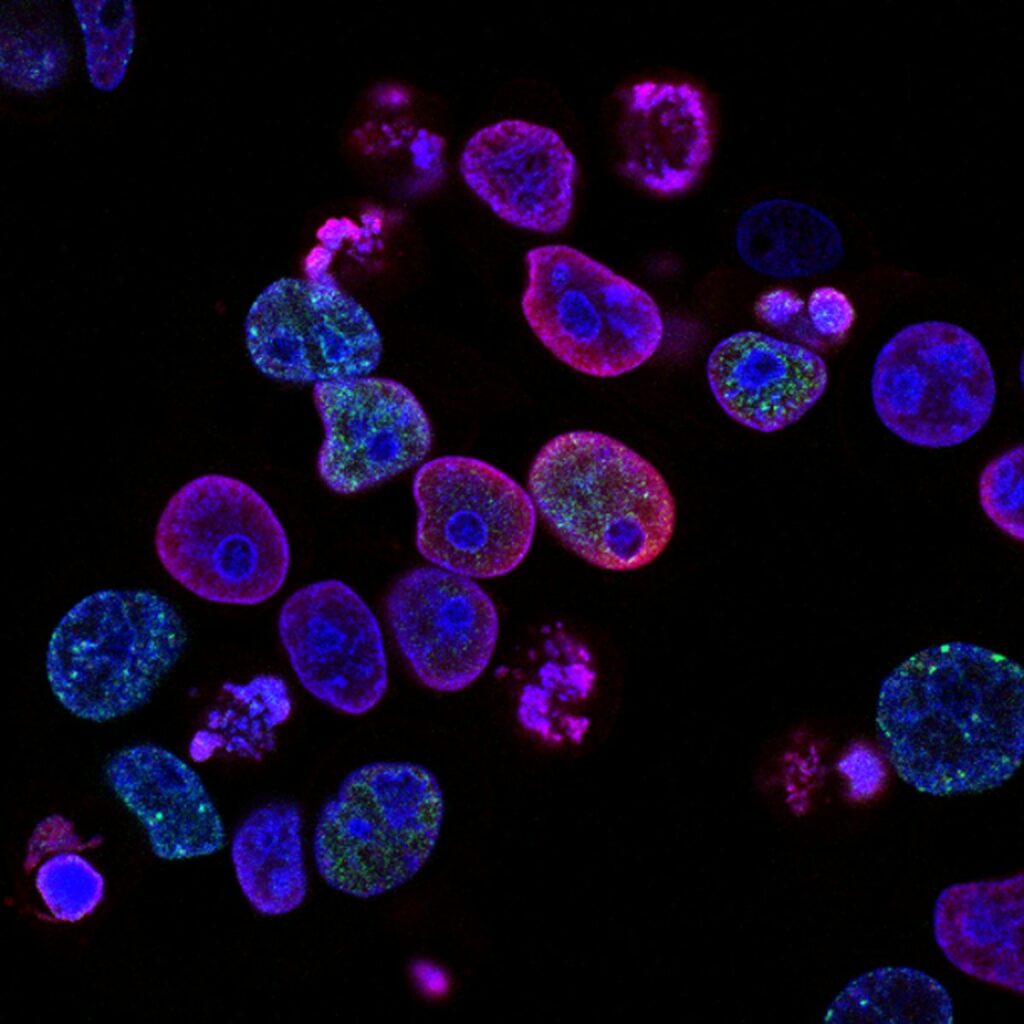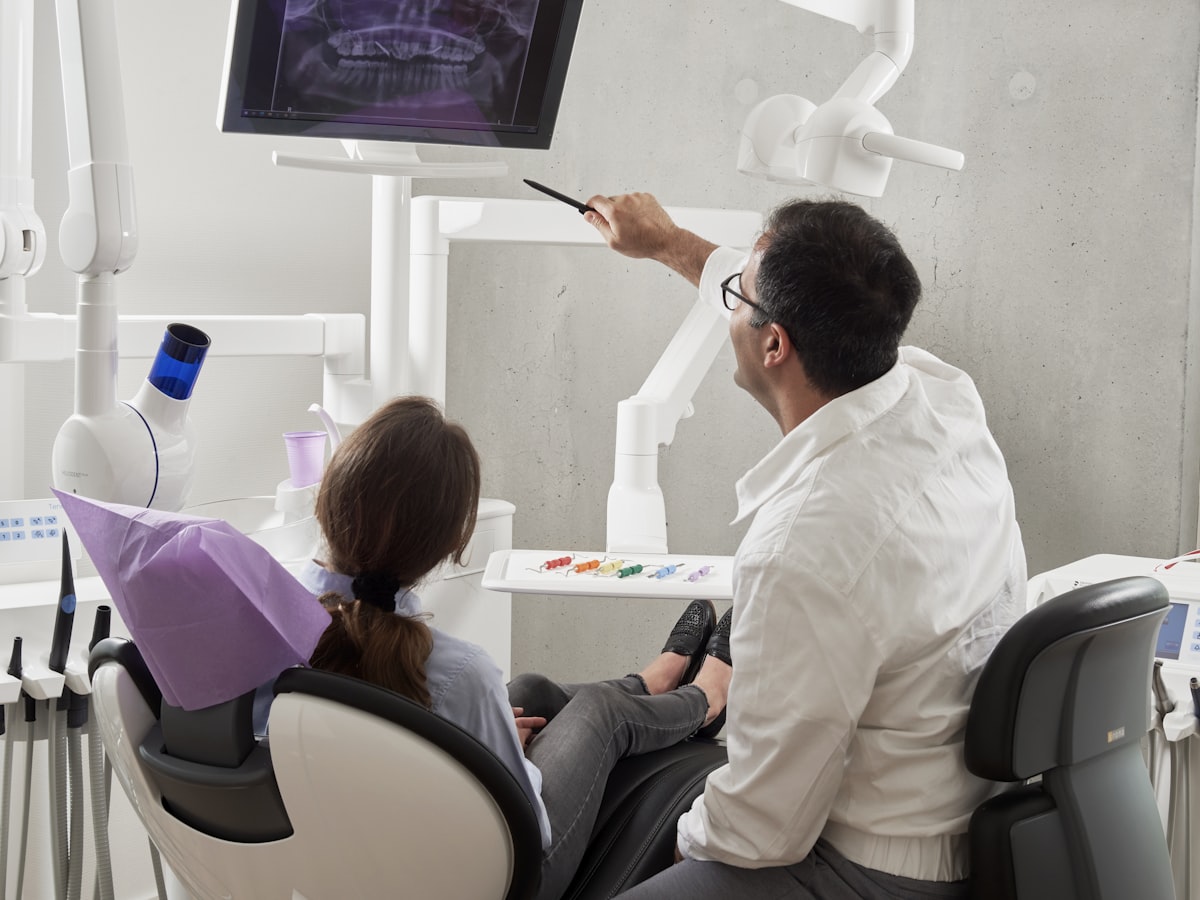
Most people think bad breath or sensitive gums are just annoying inconveniences. But your mouth is home to over 700 species of bacteria — and when that ecosystem falls out of balance, your body often sends signals long before a dentist can spot a problem.
Here are 7 warning signs your oral microbiome may need attention.
1. Persistent Bad Breath (Even After Brushing)
If your breath stays stale minutes after brushing, it’s rarely a hygiene issue — it’s a bacterial balance issue. Harmful anaerobic bacteria produce sulfur compounds that no amount of mouthwash can fully mask. A healthy oral microbiome keeps these populations in check naturally.
2. Bleeding Gums
A little pink in the sink when you brush isn’t “normal.” Bleeding gums are a classic sign of inflammation driven by an overgrowth of harmful bacteria along the gum line. Left unaddressed, this can progress into gum disease.
3. Frequent Canker Sores
Recurring mouth ulcers can be a sign that the protective bacterial barrier in your mouth has been compromised. When beneficial bacteria decline, the oral tissue becomes more vulnerable to irritation and immune flare-ups.
4. White Coating on the Tongue
A healthy tongue should be pink and clear. A white or yellowish film is often a sign of bacterial or fungal overgrowth — particularly Candida — indicating the oral ecosystem is out of balance.
5. Tooth Sensitivity
When acid-producing bacteria like Streptococcus mutans dominate your mouth, they erode enamel over time. This exposes the sensitive inner layers of your teeth, causing that sharp pain when you eat something cold or sweet.
6. Dry Mouth
Saliva is one of your mouth’s primary defense mechanisms — it contains antimicrobial proteins that keep harmful bacteria in check. A consistently dry mouth disrupts this balance, allowing opportunistic bacteria to thrive.
7. Recurring Cavities Despite Good Hygiene
If you brush, floss, and still get cavities, the problem may be microbial. An overabundance of acid-producing bacteria means your teeth are under near-constant chemical attack — no toothbrush can fully compensate for that.
What Can You Do?
The good news is that the oral microbiome is highly responsive to change. Diet, hydration, stress management, and — increasingly — targeted oral probiotics have all been shown to help restore a healthier bacterial balance in the mouth.
Unlike gut probiotics taken in capsule form, oral probiotics are designed to be dissolved in the mouth, where they can directly colonize the oral environment and compete with harmful bacteria. Research into this area has grown significantly over the past decade, with promising results for breath, gum health, and even systemic wellness.
Final Thoughts
Your oral microbiome is a living ecosystem. When it thrives, so does your dental health — and emerging research even links oral bacterial balance to heart health, cognitive function, and immune resilience. Paying attention to the warning signs early is one of the smartest things you can do for your long-term health.